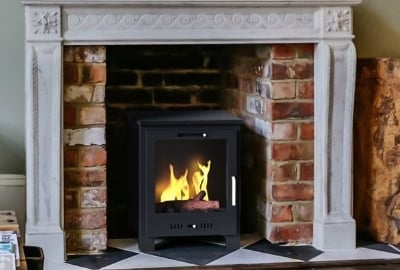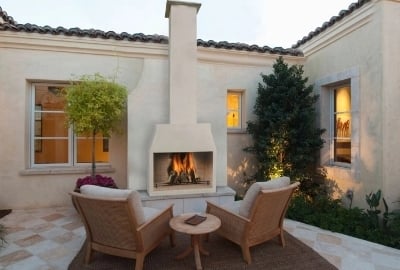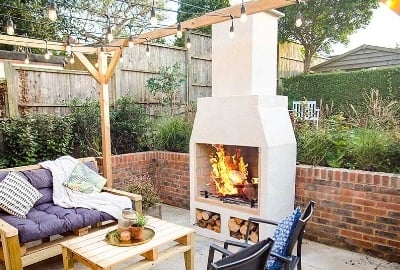
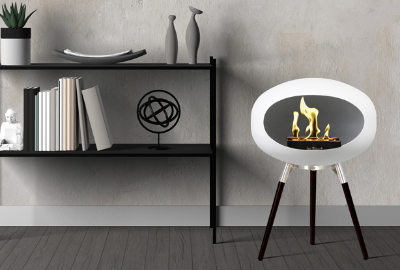
If you love the look of a real flame but do not have a usable chimney, a bioethanol fire can be an attractive alternative. Bioethanol appliances burn liquid fuel to create a genuine flame and useful warmth, without producing the smoke, soot and ash associated with burning logs.
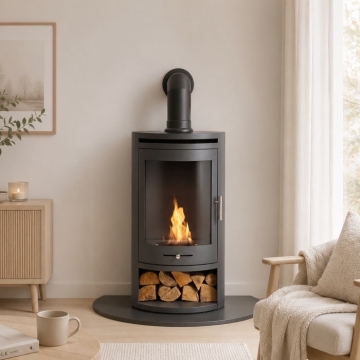
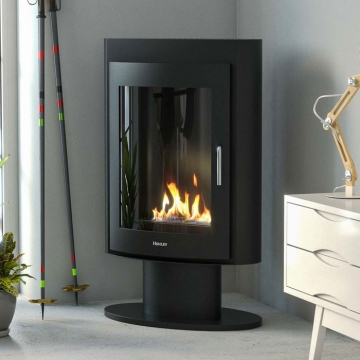
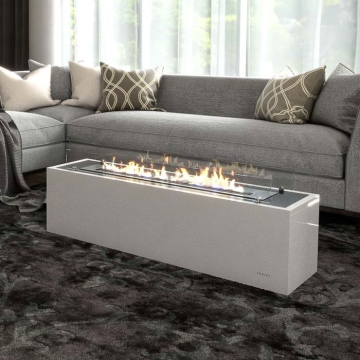
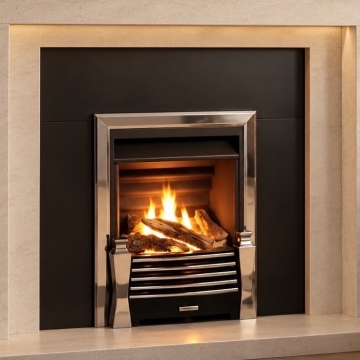
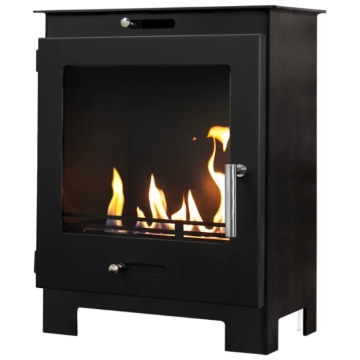
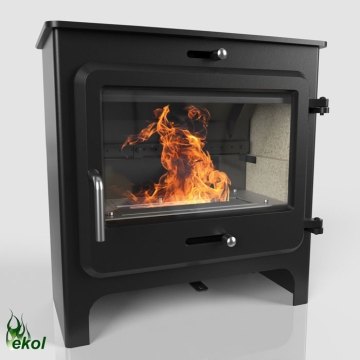
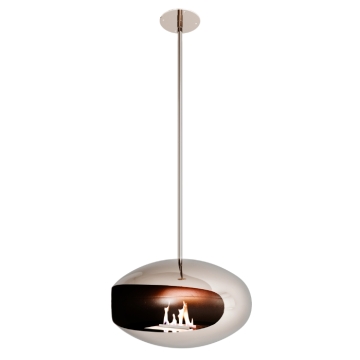
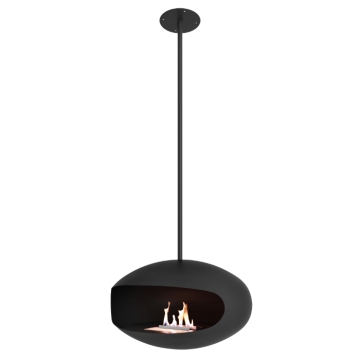
They are available as traditional stove-style models, contemporary wall-mounted fires, built-in fires and freestanding designs. That flexibility creates plenty of questions too. How hot do they get? Do they need ventilation? Can you put a television above one? Can you move them between rooms? And, most importantly, how should the fuel be handled safely?
Below, we answer the questions customers most often ask us. Individual products differ, so the installation and operating instructions supplied by the manufacturer should always take priority over general guidance.
Contents
What Is Bioethanol and How Does a Bioethanol Fire Work?
Do Bioethanol Fires Produce Heat?
How Long Does Bioethanol Fuel Last and What Does It Cost to Run?
Are Bioethanol Fires Safe to Use Indoors?
Do Bioethanol Fires Need a Chimney, Flue or Ventilation?
Where Can You Put a Bioethanol Stove or Fire?
How Do You Light, Extinguish and Refuel a Bioethanol Fire?
Choosing and Looking After a Bioethanol Fire
What Is Bioethanol and How Does a Bioethanol Fire Work?
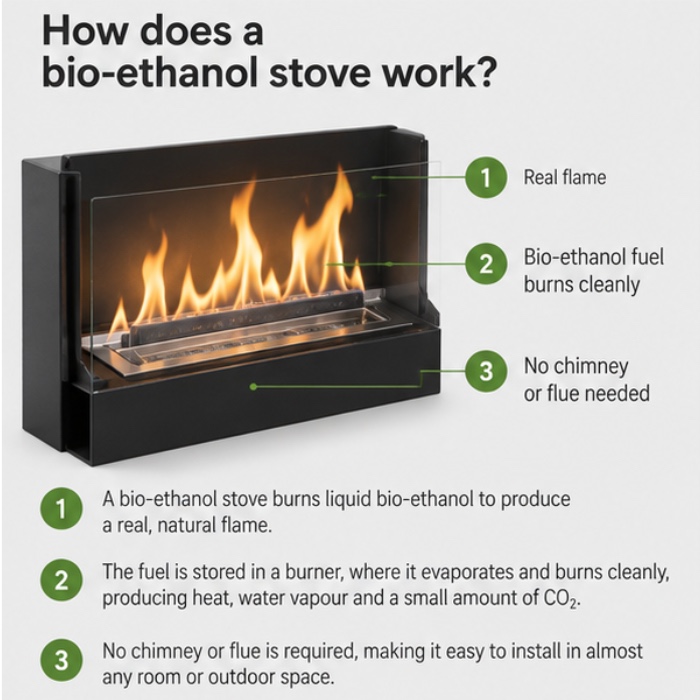
Bioethanol is a liquid alcohol fuel produced from plant-derived materials. Purpose-made bioethanol fuel is poured into the appliance's burner or fuel container and ignited to create a real flame.
Unlike a wood-burning stove, there is no solid fuel to burn and therefore no ash bed to empty. Bioethanol combustion does not create the smoke and soot associated with logs, which is why a conventional chimney or flue is not normally required.
The burner is the heart of the appliance. Depending on the model, the opening may be adjustable so that the flame size and heat output can be reduced. Some appliances use more sophisticated burner systems, so always follow the specific filling, lighting and adjustment procedure in the manual.
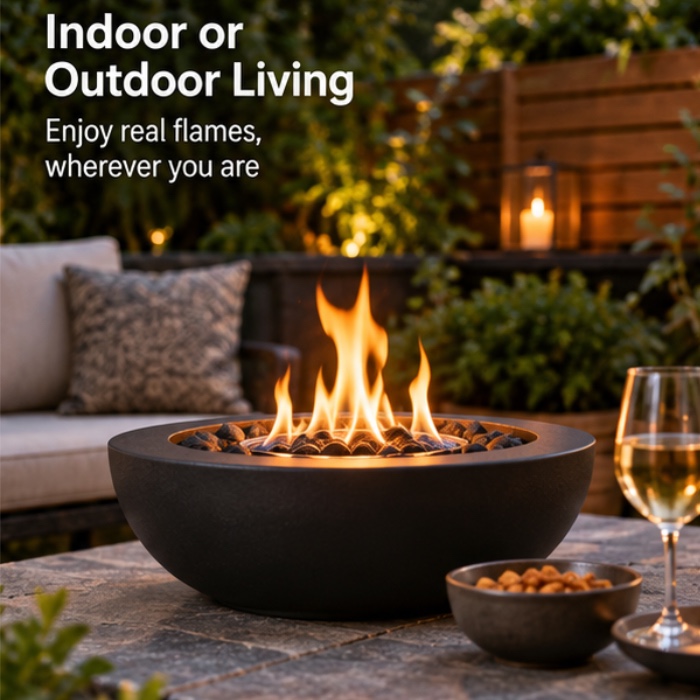
Do Bioethanol Fires Produce Heat?
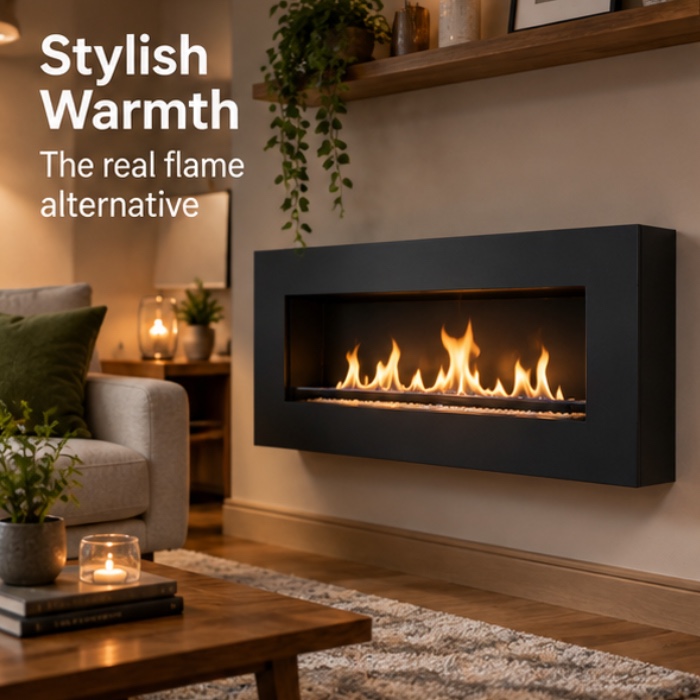
Yes. Bioethanol fires create real combustion, so they produce real heat rather than simply a flame effect. Heat output varies considerably by model. Many stove-style appliances sit around the 1kW to 3kW range, while the exact output should be checked in the product specification.
That makes many bioethanol fires useful for adding supplementary warmth to a living room, dining room, conservatory or other suitable space. They should not automatically be treated as a replacement for a home's main heating system.
Because there is no conventional flue carrying heat up a chimney, the warmth produced is released into the room. However, room size, ventilation requirements and the appliance's stated minimum room volume all matter when choosing a model.
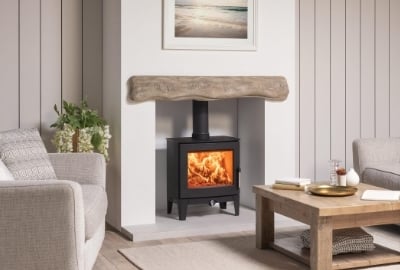
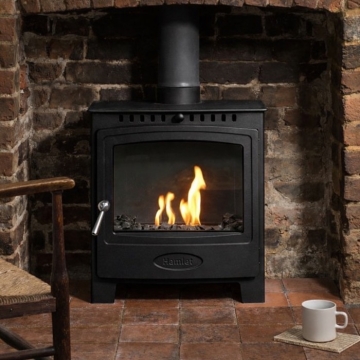
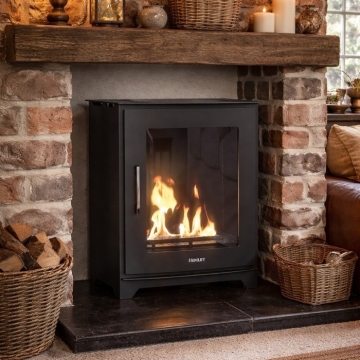
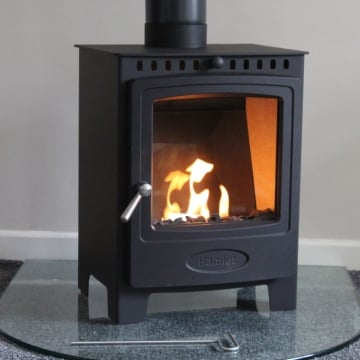
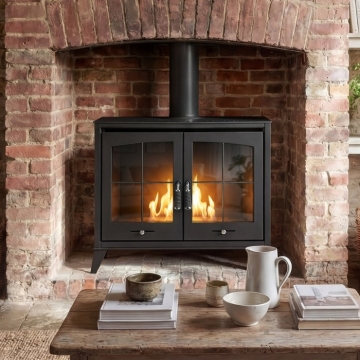
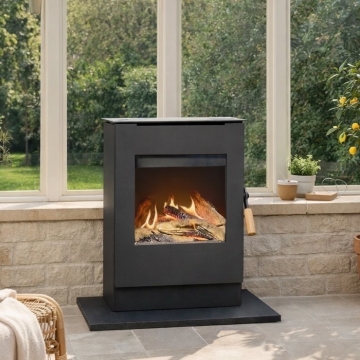
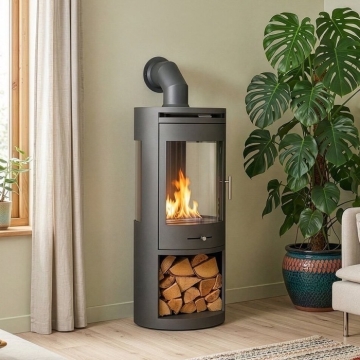
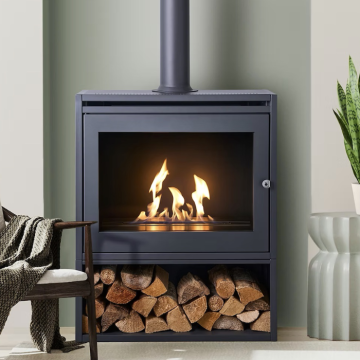
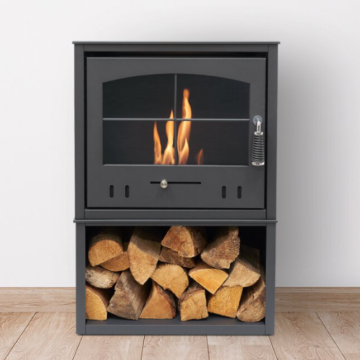
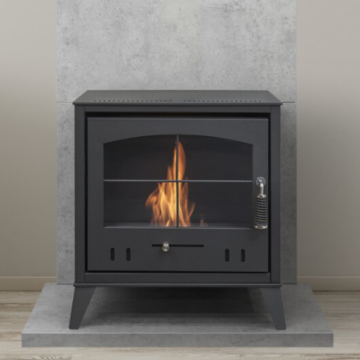
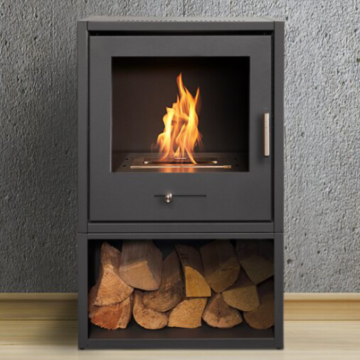
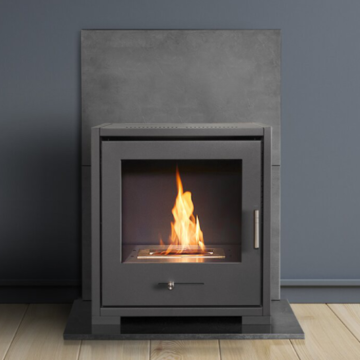
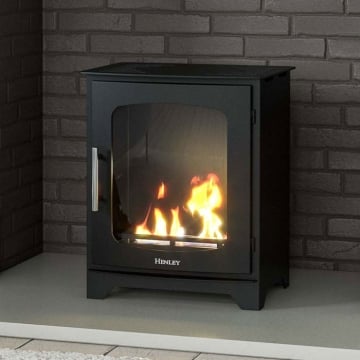
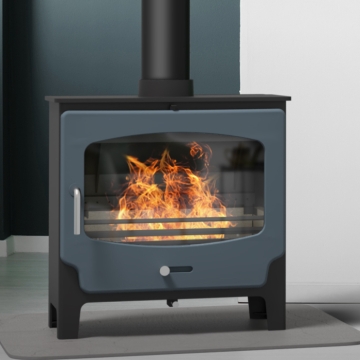
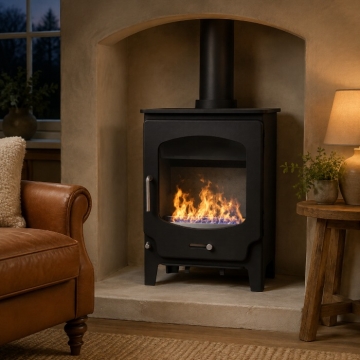
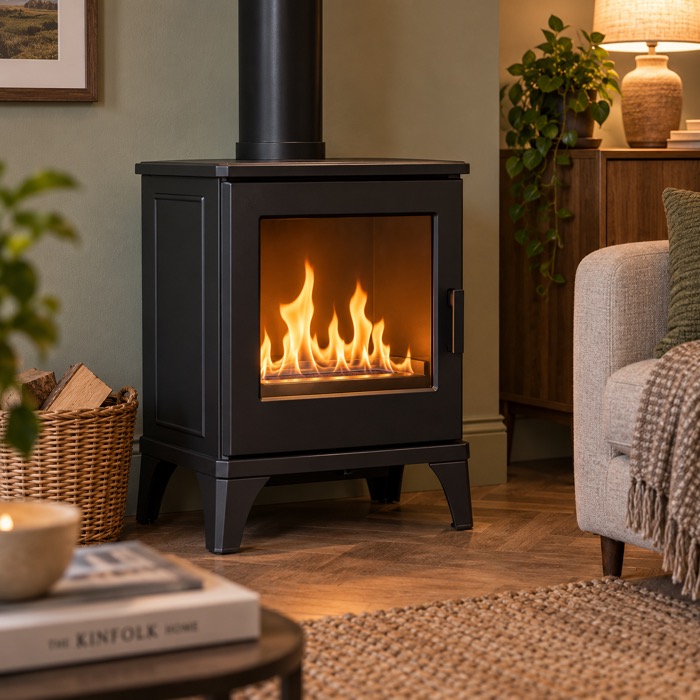
If you particularly like the appearance of a traditional log burner, our bioethanol stoves combine a stove-style body with a genuine flame and no conventional flue.
How Long Does Bioethanol Fuel Last and What Does It Cost to Run?
Burn time depends on the burner capacity, flame setting and design of the appliance. As a broad guide, one litre of fuel is commonly quoted at around three to five hours, but some current models can run considerably longer because of their burner design and adjustable flame settings.
For that reason, it is better to calculate running cost from the model you are considering rather than rely on a single universal figure. Check the stated fuel capacity and expected burn time, then divide the price of the fuel used by the expected hours of operation.
Running at a smaller flame can extend burn time on appliances designed to be adjustable, but it will also reduce the flame height and heat output. Never alter a burner in a way that is not described by the manufacturer.
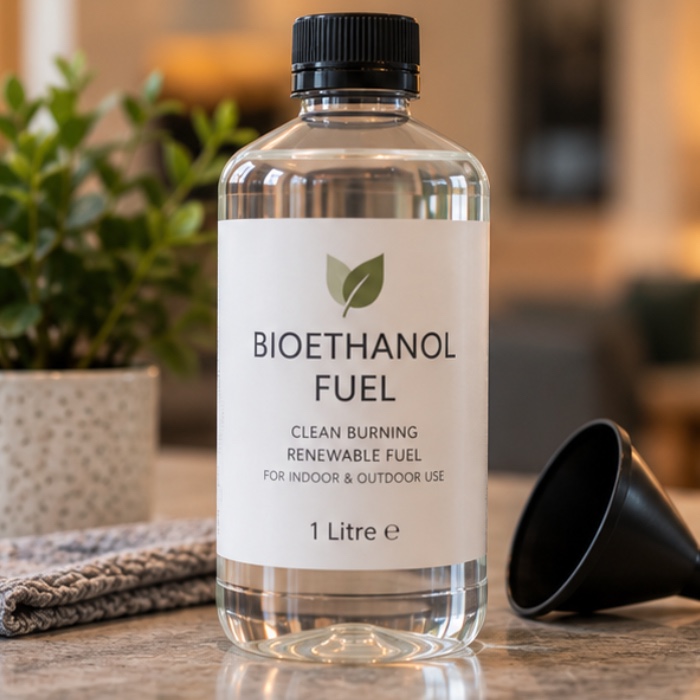
You can browse our current bioethanol fuel and accessories to compare fuel options and compatible decorative accessories.
Are Bioethanol Fires Safe to Use Indoors?
Bioethanol fires can be used safely when the appliance is designed for indoor use and the manufacturer's instructions are followed. They involve both an open flame and a highly flammable liquid fuel, so good operating habits are essential.
The key rules are simple: use only the fuel specified for the appliance; keep fuel containers closed and away from heat or flame; clean up any spillage before lighting; never add fuel to a burning or hot burner; never move an appliance while it is lit or hot; and keep children, pets and combustible objects a safe distance away.
A bioethanol flame can sometimes be less visible in bright daylight, so never assume a burner is extinguished simply because you cannot easily see a flame. Use the manufacturer's extinguishing method and allow the appliance to cool fully before refuelling.
As with any real-flame appliance, do not leave it burning unattended. The manufacturer's stated clearances, minimum room size and ventilation requirements are part of safe use, not optional recommendations.
Do Bioethanol Fires Need a Chimney, Flue or Ventilation?
A major attraction of bioethanol is that a conventional chimney or flue is normally unnecessary. The fuel burns without producing the smoke, soot and ash created by a wood fire, so there is no conventional smoke flue to connect.
That does not mean ventilation can be ignored. Combustion uses oxygen and produces water vapour and carbon dioxide, so the room must meet the ventilation and minimum room-volume requirements specified by the appliance manufacturer. Never install a bioethanol fire in an unsuitable enclosed space simply because it is described as flueless.
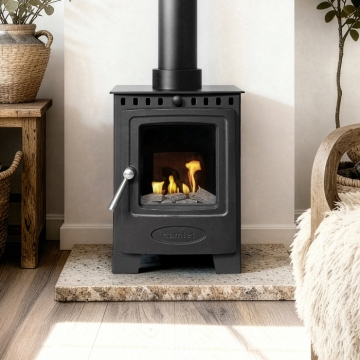
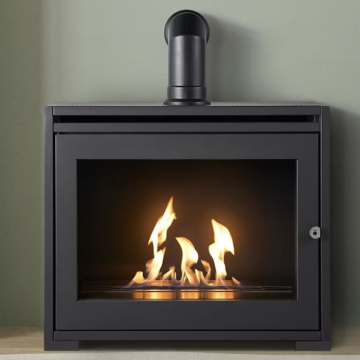
Some stove-style models can also be fitted with a decorative false flue pipe. This is purely for appearance and should not be confused with a functioning chimney or flue system.
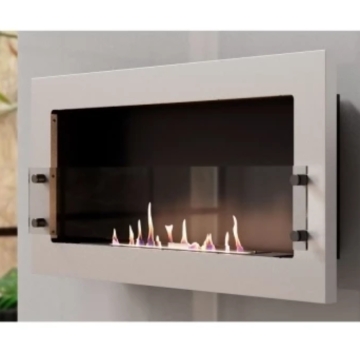
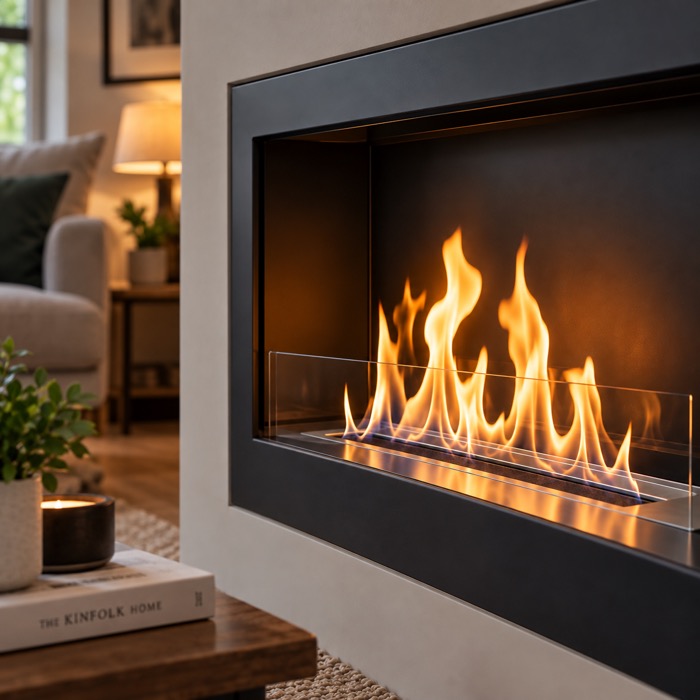
If your priority is a built-in contemporary feature, a bioethanol burner can also be incorporated into suitable wall designs. Always build around the exact installation dimensions and combustible-material clearances for the chosen model.
See our built-in bioethanol fires for examples of inset and feature-wall options.
Where Can You Put a Bioethanol Stove or Fire?
The absence of a conventional flue gives bioethanol appliances much more placement flexibility than many solid-fuel fires, but 'flueless' does not mean 'anywhere'. The surface, surrounding materials, ventilation, room volume and clearance distances all need to suit the appliance.
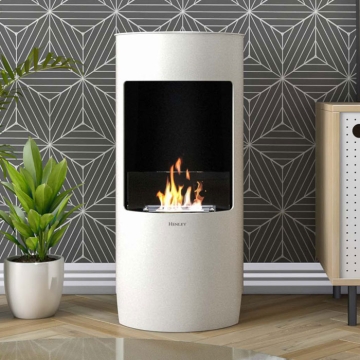
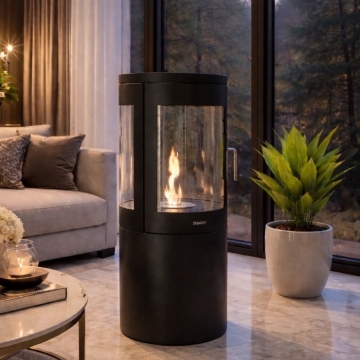
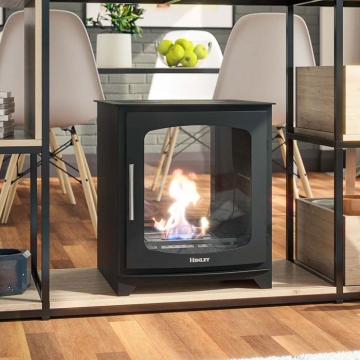
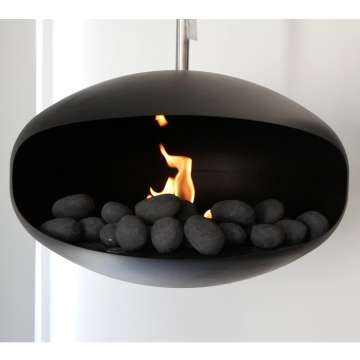
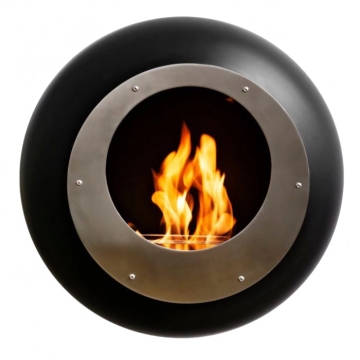
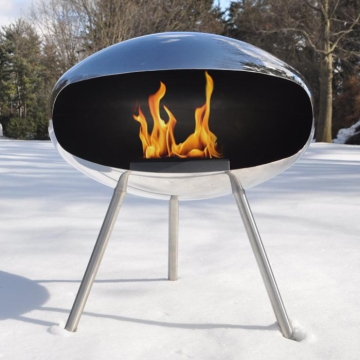
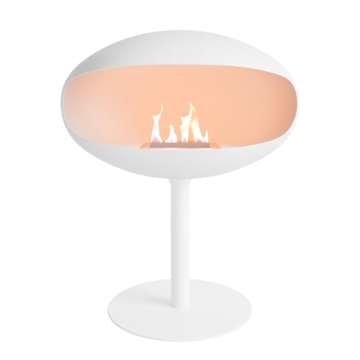
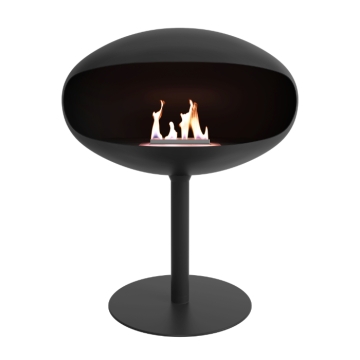
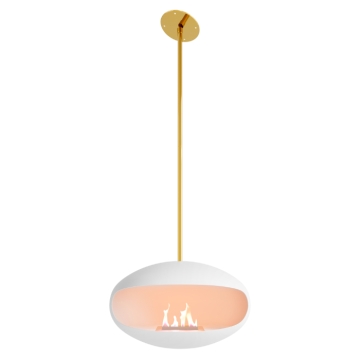
Freestanding bioethanol stoves can work particularly well in rooms where a traditional stove look is wanted but a chimney is unavailable. Wall-mounted models save floor space, while built-in fires can create a wide contemporary focal point.
Can you put a TV above a bioethanol fire? Sometimes, but there is no safe universal distance that applies to every combination of fire and television. Heat rises, and both manufacturers' instructions need to be checked. If either manufacturer prohibits the arrangement, choose a different layout.
Can you move a freestanding bioethanol fire? Many models are portable, but only move one when it is completely extinguished, cool and safe to handle. Re-check all required clearances and room requirements at the new location before using it.
How Do You Light, Extinguish and Refuel a Bioethanol Fire?
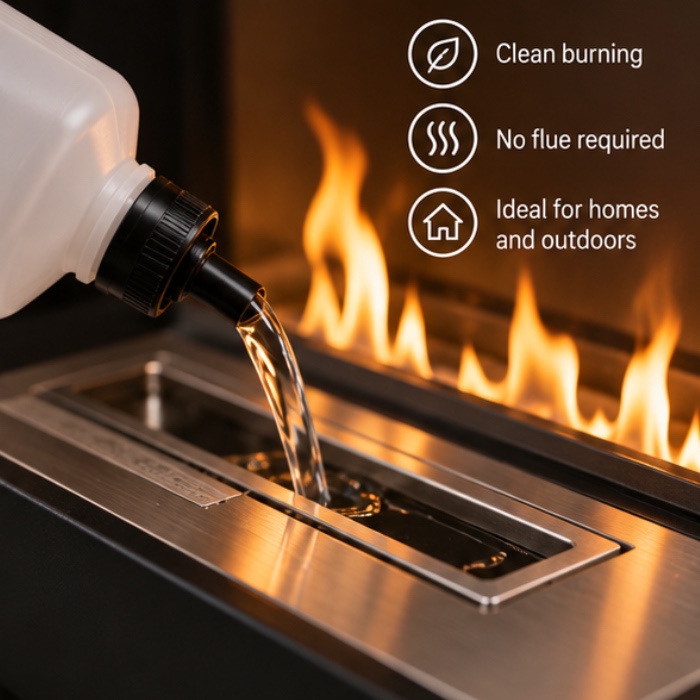
Exact procedures vary, but the basic routine is straightforward. Start with a completely cool burner. Fill it only to the level and in the manner specified by the manufacturer, wipe away any spilled fuel, close the fuel container and move it away from the appliance before lighting.
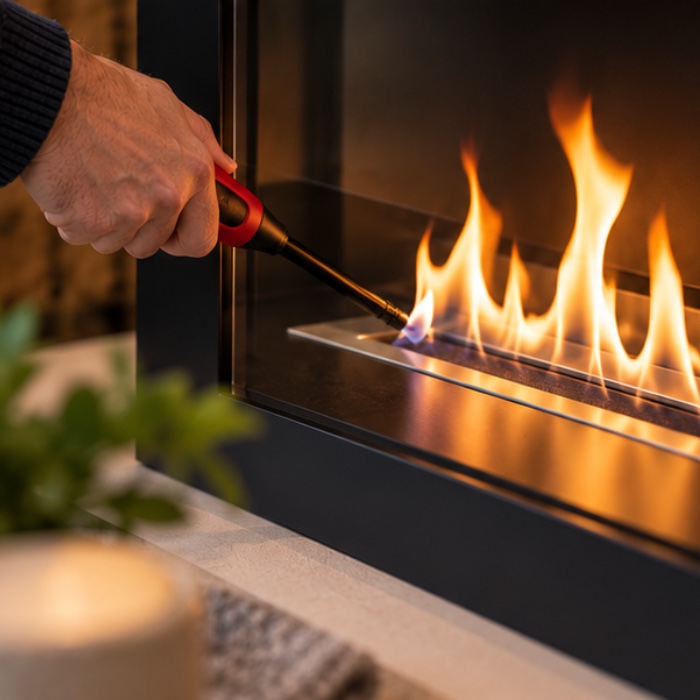
Use the recommended lighting tool, often a long-reach lighter, so your hand and face remain comfortably away from the burner. Once lit, adjust the flame only if the appliance is designed for adjustment.
To extinguish the fire, use the supplied closing or snuffer mechanism exactly as instructed. Do not improvise by throwing water onto the burner.
Most importantly, never pour bioethanol into a flame and never refill a hot burner. After extinguishing the fire, allow the burner to cool for the period stated in the manual before adding more fuel.
Choosing and Looking After a Bioethanol Fire
Choosing the right model is mainly about matching the appliance to the room and the look you want. Check the physical dimensions, heat output, burner capacity, expected burn time, minimum room volume, installation clearances and whether the model is freestanding, wall-mounted or built in.
Maintenance is generally light because there is no ash or soot from logs. Once the appliance is completely cold, keep the burner and surrounding surfaces clean in accordance with the manual. Glass and decorative components should only be cleaned with products and methods approved by the manufacturer.
Bioethanol is particularly appealing when you want a genuine flame without installing a conventional chimney or flue. The trade-off is that you still have a real fire and liquid fuel to manage, so careful fuel handling, ventilation and correct clearances remain essential.
Ready to compare the options? Browse our full range of bioethanol fires, including stove-style, wall-mounted, built-in and freestanding designs.
Quick Bioethanol FAQs