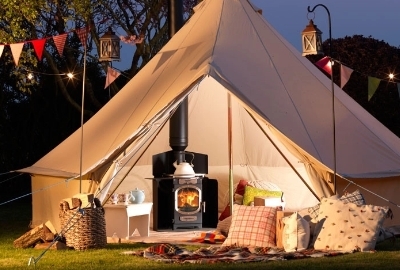
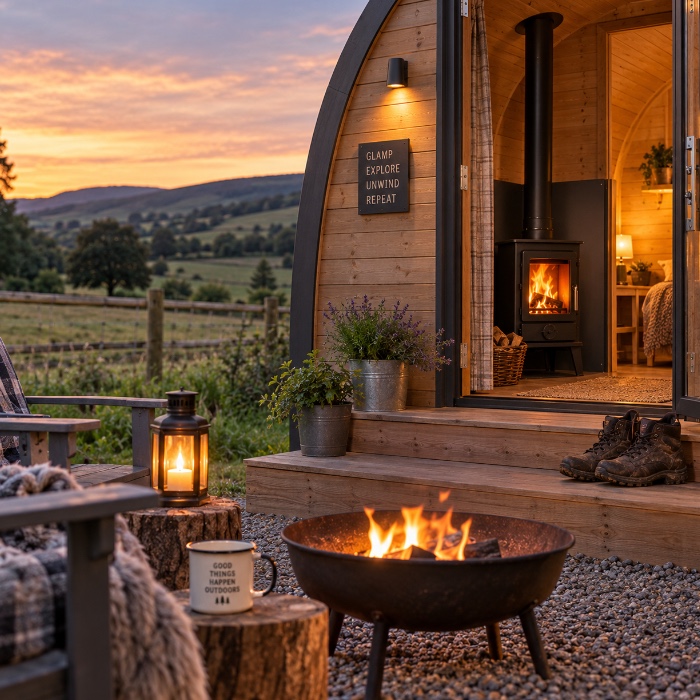
There is something particularly appealing about a real fire in a small retreat. A compact stove can bring warmth, atmosphere and, with some models, useful cooking facilities to a shepherd’s hut, cabin, glamping pod or other suitable small space. Our range of glamping stoves includes models specifically suited to compact installations.
Small spaces are also less forgiving than a conventional living room. A stove that is too powerful can make the room uncomfortable, while timber walls, furniture and limited floor space make correct clearances particularly important. The flue, ventilation and carbon monoxide protection also need to be considered as part of the installation, not as afterthoughts.
This guide looks at the practical questions to ask before buying. Because every structure and stove is different, always follow the appliance manufacturer’s instructions and use a competent installer who can assess the complete installation and the regulations that apply to your particular building or accommodation.
Contents
Why Choose a Small Stove for a Glamping Space?
How Much Heat Does a Small Cabin or Shepherd’s Hut Need?
Clearances, Hearths and Combustible Materials
Flues, Ventilation and Carbon Monoxide Safety
Wood Burning or Multi-Fuel for Glamping?
Can a Small Stove Be Used for Cooking?
What Features Should You Look for in a Glamping Stove?
Choosing the Right Small Stove for Your Space
Why Choose a Small Stove for a Glamping Space?
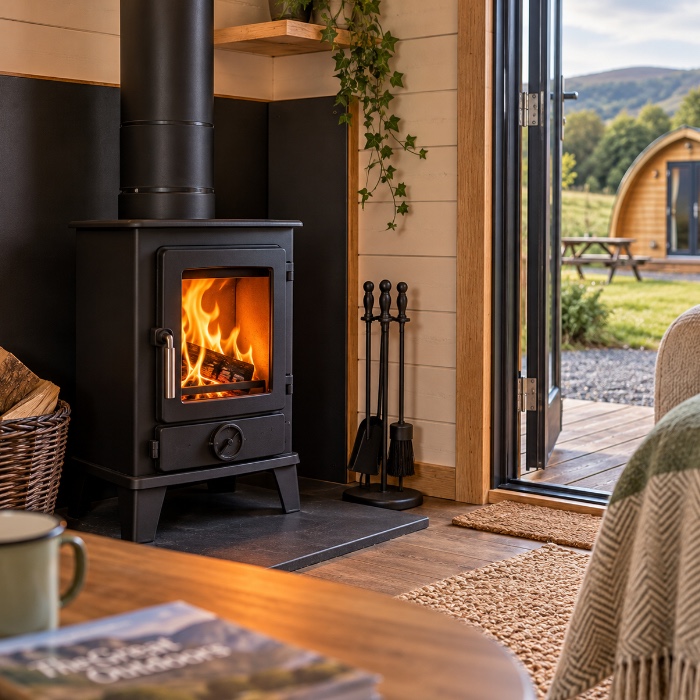
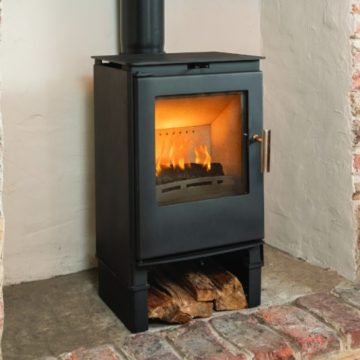
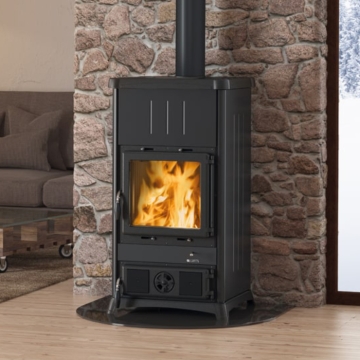
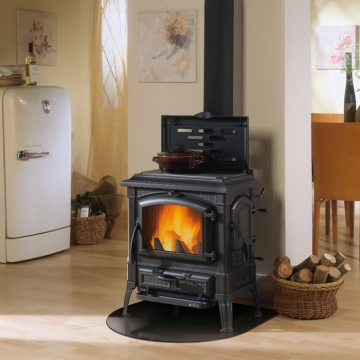
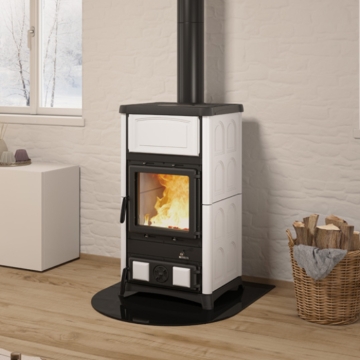
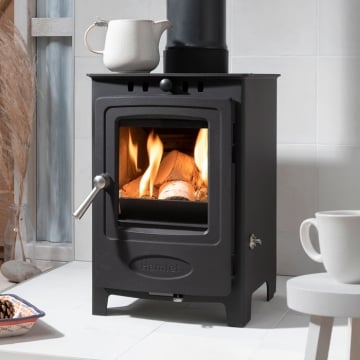
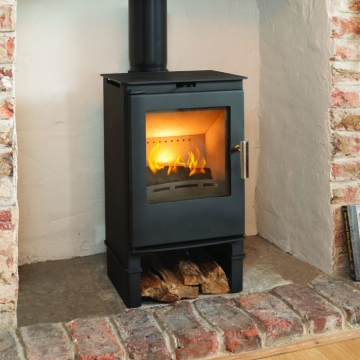
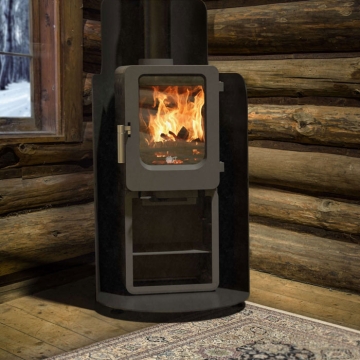
Purposefully chosen small wood burning stoves can give you the character of a traditional fire without taking over a compact room. Smaller bodies are easier to accommodate, lower nominal outputs are better matched to modest spaces and certain models have been designed or tested with reduced distances to combustible materials.
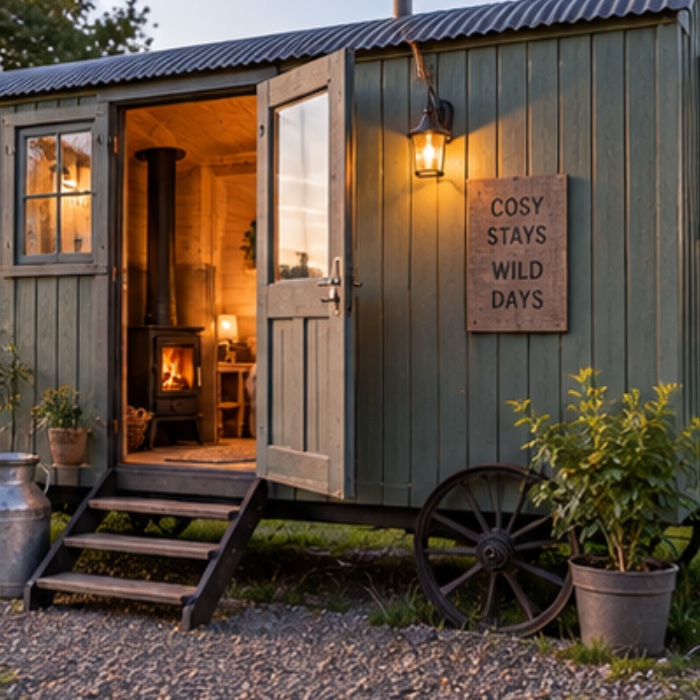
That makes compact stoves particularly interesting for shepherd’s huts, cabins, garden rooms, glamping pods and similar spaces where every centimetre counts. They can also become part of the experience itself. A visible flame gives a small retreat a strong focal point and makes cooler evenings feel much more inviting.
The important word is suitable. A physically small stove is not automatically suitable for every small structure. Heat output, clearances, hearth requirements, ventilation and the complete flue arrangement all need to work together.
How Much Heat Does a Small Cabin or Shepherd’s Hut Need?
Choosing by physical size alone is a mistake. Heat output matters just as much. Many compact glamping stoves are around the 4kW to 5kW mark, which can still be a substantial amount of heat in a tiny, well-insulated space.
A simple room-volume calculation can provide an initial estimate, but glamping buildings vary enormously. Insulation, glazing, ceiling height, draughts, construction materials, exposure and how frequently the door is opened can all change the real requirement. A modern insulated pod may behave very differently from a traditional timber hut.
Oversizing can leave you repeatedly trying to run the stove at a very low rate, which is not necessarily the cleanest or most efficient way to operate it. Ask your installer or stove specialist to help match the nominal output to the space rather than simply choosing the highest output that will physically fit.
Clearances, Hearths and Combustible Materials
Compact structures often contain a lot of combustible material. Timber walls, floors, furniture, curtains and other finishes may all be relatively close to the stove, so the manufacturer’s minimum distances to combustibles are critical.
Certain compact stoves use integrated or optional heat shields to reduce their tested clearance requirements. For example, the heat-shielded Go Eco Adventurer 5 currently lists clearances as low as 70mm at the sides and 75mm at the rear. Those figures are specific to that tested configuration and should never be copied across to another stove.
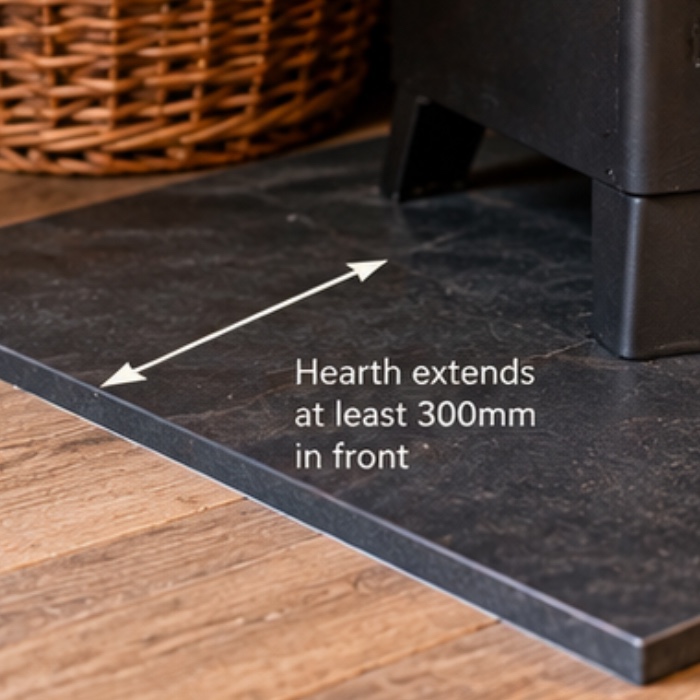
A suitable hearth and any required non-combustible wall protection also form part of the installation. Some models are approved for installation on a 12mm hearth, while others have different requirements. Our glamping stove range includes models intended for compact installations, but the installer should always work from the exact appliance instructions and the construction of your hut, cabin or pod.
Flues, Ventilation and Carbon Monoxide Safety
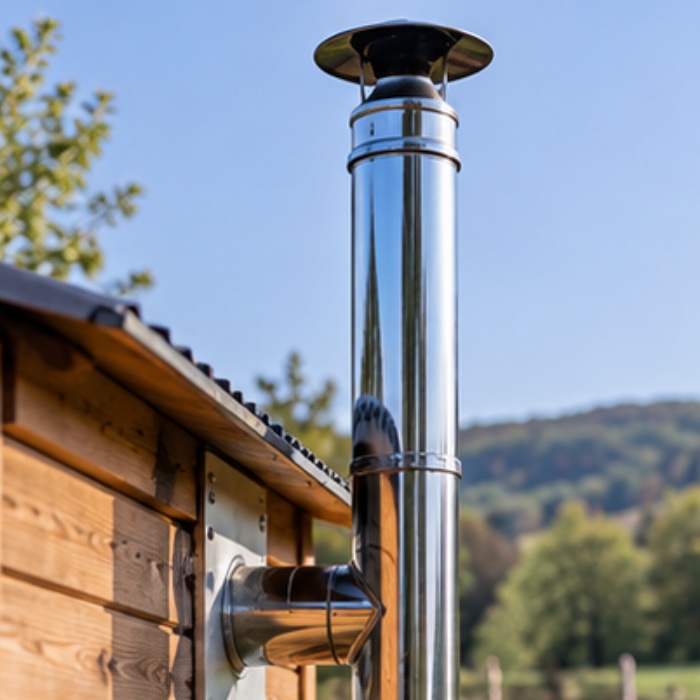
A wood burning stove needs a correctly designed chimney or flue system. In a structure without a masonry chimney, this will commonly mean an insulated twin-wall flue system routed safely through the building and terminated in the correct position. The system must be suitable for the appliance and installation rather than treated as a generic length of pipe.
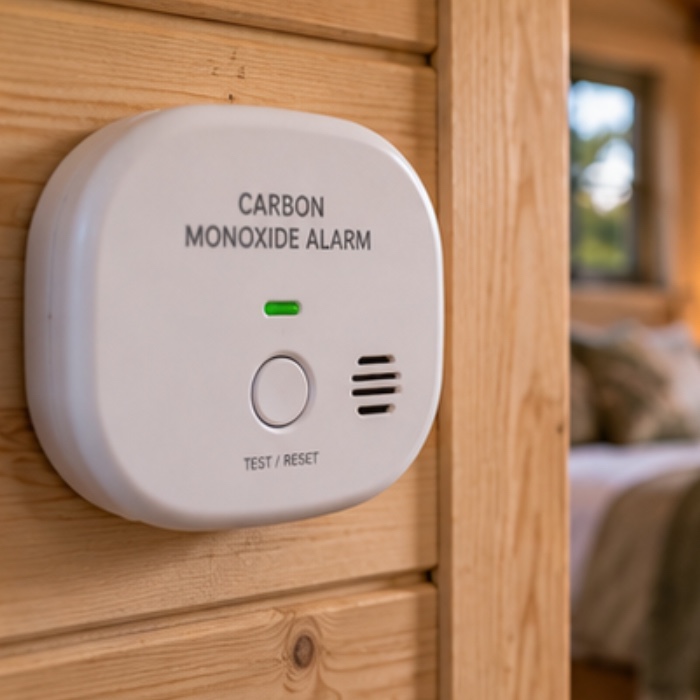
Ventilation is particularly important in well-sealed small spaces. The current Ekol ApplePie installation manual specifically highlights adequate ventilation for small, well-insulated spaces such as cabins and glamping pods, and notes the option of an external air supply where appropriate. The same manual states that a carbon monoxide alarm is an essential requirement in the room with the stove.
Never block ventilation to stop a draught, and never assume a small stove needs less attention to combustion air because the appliance itself is compact. Your installer should consider the stove, air supply, flue draught and room together.
Wood Burning or Multi-Fuel for Glamping?
A dedicated wood burner is an attractive choice if you intend to use properly seasoned or kiln-dried logs and fuel. A multi-fuel model adds the ability to burn approved smokeless mineral fuel where the appliance is designed for it, which can provide useful flexibility for some installations.
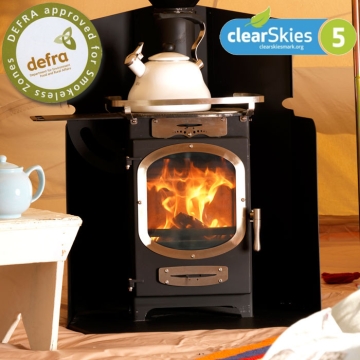
Whichever route you choose, use only fuels approved by the stove manufacturer. If you are in a Smoke Control Area, check the current requirements and whether the appliance and fuel combination is permitted. Many modern compact stoves sold for glamping are DEFRA exempt and Ecodesign compliant, but you should verify the individual model rather than assuming every small stove has the same approvals.
Can a Small Stove Be Used for Cooking?
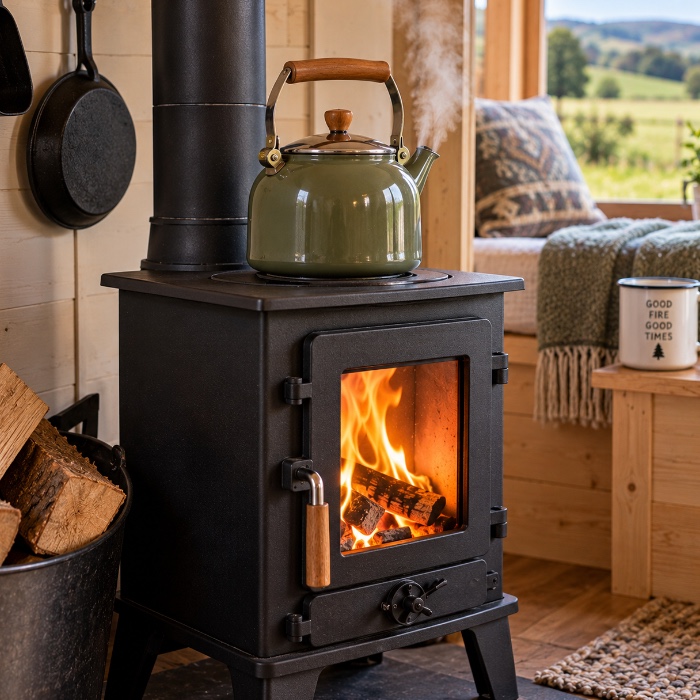
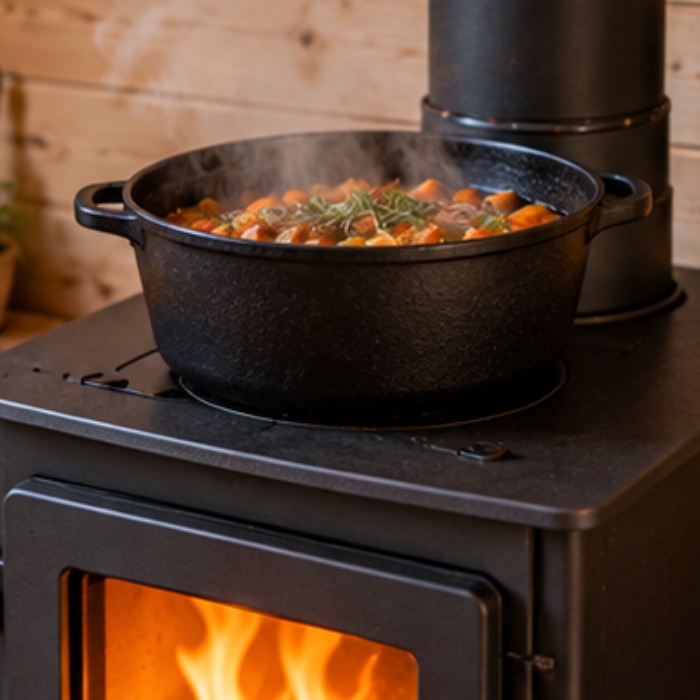
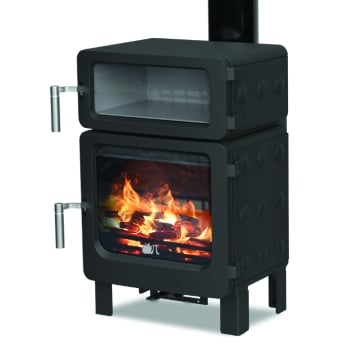
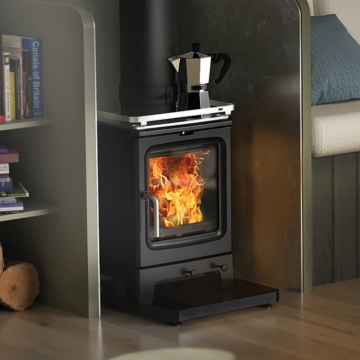
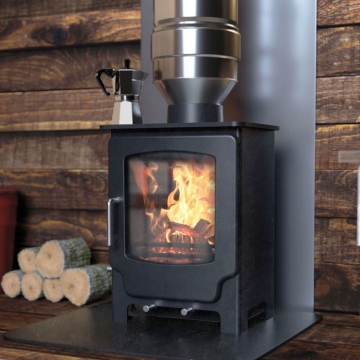
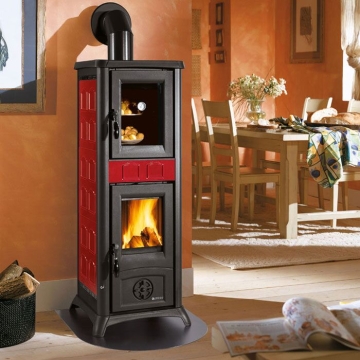
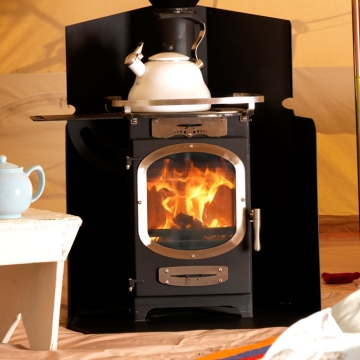
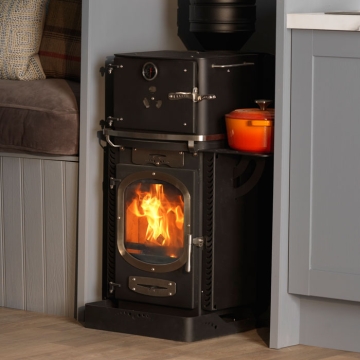
Yes, and this is one of the reasons glamping stoves can be so appealing. Certain models offer a usable hotplate, warming shelf, pan supports or even an optional oven, allowing the stove to contribute to both heating and simple cooking.
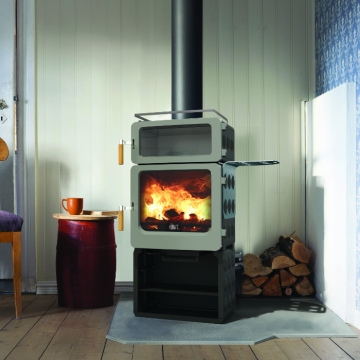
The Go Eco Adventurer 5, for example, can be configured with accessories including a warming shelf and insulated oven. The Ekol ApplePie family also offers cooking configurations such as a stainless cooktop, baking oven, pan supports and other modular options.
Treat cooking capability as a bonus rather than assuming the top of every stove is a cooking surface. Use only the accessories and methods approved for your model, and remember that cookware needs safe, stable space around it in an already compact room.
What Features Should You Look for in a Glamping Stove?
The best specification is the one that suits the installation. Useful features to compare include nominal heat output, overall dimensions, tested distances to combustible materials, hearth requirements, top or rear flue options, external-air compatibility, efficiency, fuel type and available cooking accessories.
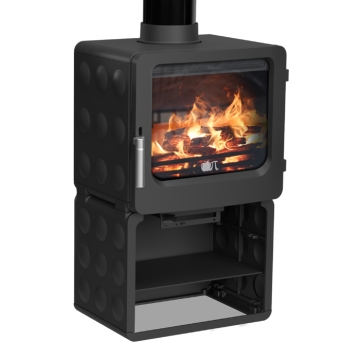
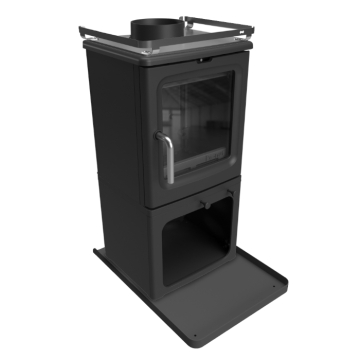
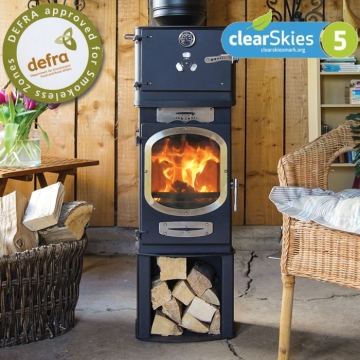
A good viewing window can make a small room feel especially cosy, while an airwash system helps keep the glass clearer during correct operation. Heat shields can be extremely valuable where space is tight, and a log-store version can raise the firebox while adding storage beneath the stove.
Also think about day-to-day use. Where will dry fuel be stored? Can the door open fully? Is there safe access for cleaning and servicing? Can the flue be swept properly? A design that fits on paper still needs to be practical once beds, seating and storage are in place.
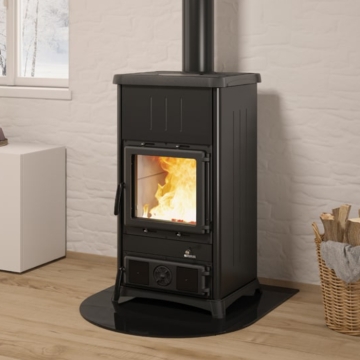
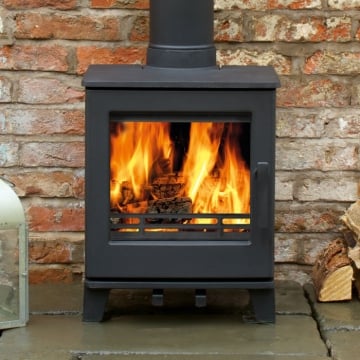
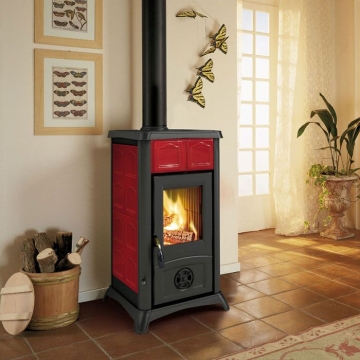
Choosing the Right Small Stove for Your Space
Start with the building rather than the stove. Measure the available area, identify combustible surfaces, understand how the structure is insulated and decide whether cooking is genuinely useful. Then shortlist appliances whose output and tested installation requirements suit those conditions.
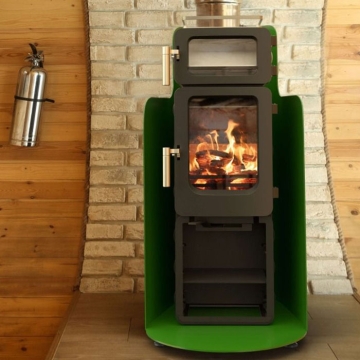
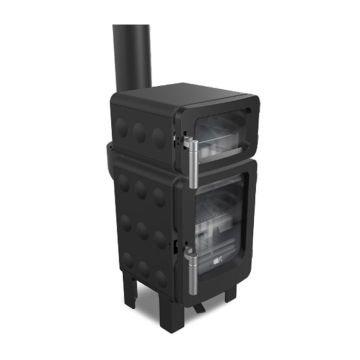
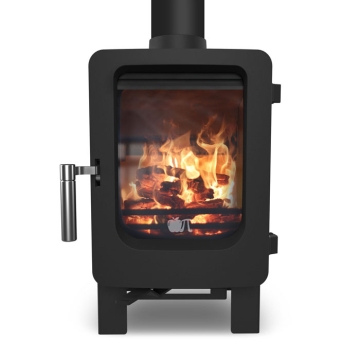
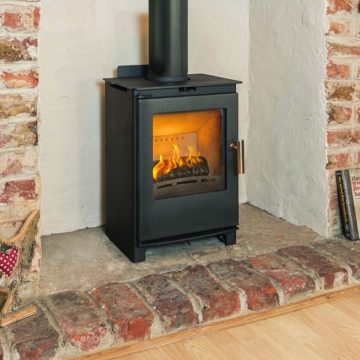
Two strong examples of the category are the compact Ekol ApplePie, which combines an 82% efficiency figure with a small footprint and optional cooking configurations, and the Go Eco Adventurer 5, a 4.5kW model with an 86% efficiency figure and a wide choice of glamping-focused accessories. They illustrate how much functionality can now be packaged into a relatively small appliance.
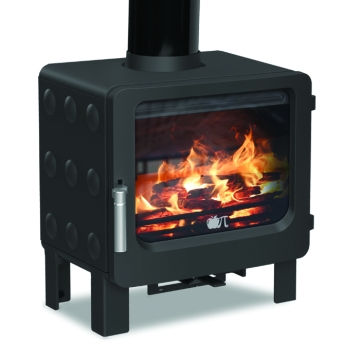
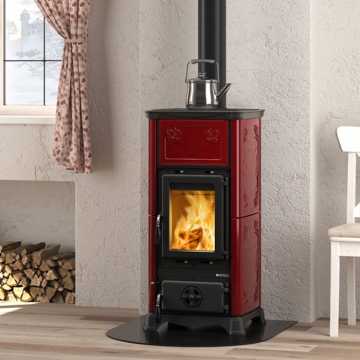
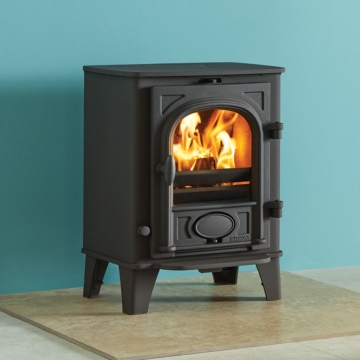
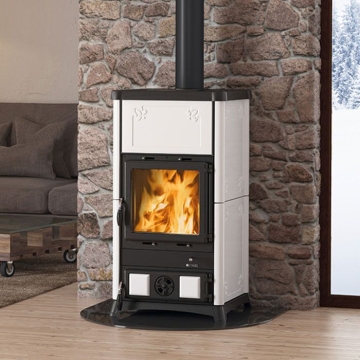
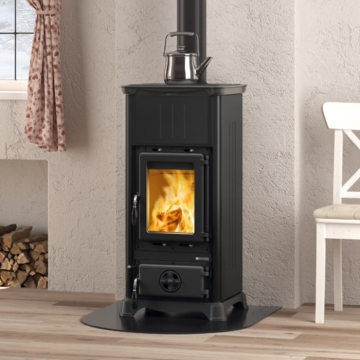
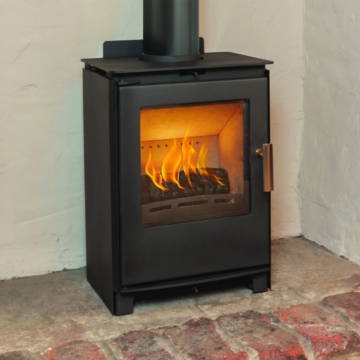
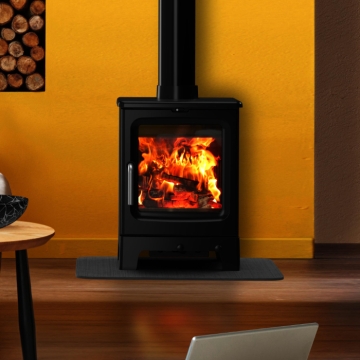
There are plenty of other options too, from compact traditional stoves to models designed with reduced clearances or external combustion air. Browse our glamping stoves to compare suitable models, but remember that the right choice depends on the complete installation, not simply which stove looks smallest in a photograph.
Quick FAQs