Can you have a log burner without a chimney? Discover your options in our handy guide, from twin-wall flue systems to electric stoves, plus regulations & installation advice.
Contents
How to have a log burner without a chimney
Many homeowners assume that installing a log burner is only possible if their home already has a chimney breast. In reality, you can have a log burner without a chimney, and it’s becoming increasingly common in modern homes, flats, and open-plan spaces alike.
In this guide, we’ll teach you how to fit a log burner without a chimney, explaining all the potential types of stoves, how each one works, and what you need to consider before installation.
Contents
- Can I have a log burner without a chimney breast?
- Types of log burners that don’t require a chimney
- Flueless gas stoves
- Electric stoves
- Bioethanol stoves
- Wood-burning stoves with twin-wall external flue systems
- How to install a log burner without a chimney
- Building regulations and health and safety
- Professional installation
- Planning your flue route
- Choosing the right location for your stove
Can I have a log burner without a chimney breast?
Let’s cut to the chase: If your home doesn’t have a chimney breast, you might be wondering whether it’s still possible to install a wood or log-burning stove. The short answer is yes! You can absolutely have a log burner with no chimney.
While traditional open fires rely on a masonry chimney to safely carry smoke and combustion gases away from the home, many modern stoves are specifically designed to operate without a built-in chimney. Thanks to advances in flue technology and alternative fuel types, installing a stove in properties with no chimney is now relatively easy to do.
There are several types of log burners and stove alternatives that don’t require a chimney breast, including:
- Flueless gas stoves
- Electric stoves and bioethanol stoves with a log-burning effect
- Twin-wall external flue systems
Each of these options suits different homes, budgets, and lifestyle needs, all of which we’ll explore in more detail below.
Types of log burners that don’t require a chimney

Now you know it’s possible to have a log burner without a chimney breast, the next step is understanding which options are available, as well as which one is right for your home. Not all log burners without chimneys work the same way. Learning the difference is important when factoring in the complexity of installation and the ongoing maintenance of your stove.
Flueless gas stoves
If you’re drawn to the look and feel of a log burner, but don’t mind not actually burning wood, a flueless gas stove is one option that doesn’t require a chimney or external flue. While not technically log burners, flueless gas stoves are often considered by people searching for log burners without chimneys, particularly where simplicity and convenience are priorities.
Rather than venting gases outside, flueless gas stoves use advanced catalytic converters to clean the exhaust before releasing it back into the room. As well as being incredibly safe, catalytic converters also ensure that flueless gas stoves are highly efficient, converting almost all the fuel into usable heat.
The benefits of a flueless gas stove include:
- No chimney or flue required
- High energy efficiency (up to 100%)
- Instant, controllable heat output
- Real gas flame
- Typically require minimal installation work compared to wood burners
Flueless gas stoves do come with specific requirements, however. The room they are installed in must be a certain size, and permanent ventilation is mandatory to maintain air quality. For this reason, they must always be installed and serviced by a Gas Safe registered engineer. Check the official registry to find one near you.
Electric stoves
Electric stoves are one of the simplest ways to achieve a wood-burning stove-style look with no chimney, flue, or ventilation required. They don’t burn fuel or produce real flames, instead replicating the appearance of glowing logs and flickering firelight — often with surprisingly realistic results. Some even offer smoke-effect technology to replicate the look of real wood smoke. Heat is generated separately using an electric heater, meaning the flame effect can usually be enjoyed with or without heat.
Because they don’t produce fumes or combustion gases, electric stoves can be installed virtually anywhere in the home, making them ideal for flats, new-build homes, rental properties, and more.
The benefits of an electric stove include:
- No chimney or flue required
- Can be inset or freestanding
- Low maintenance
- Do not require specialist installers or safety sign-off
- Wide range of contemporary and traditional designs available
While electric stoves don’t provide the same level of heat output as wood or gas options, they are an excellent choice for those searching for log burner ideas with no chimney where ease of installation is a priority.
Read our guide to electric stoves for more styling tips.
Bioethanol stoves
Bioethanol stoves are another chimney-free solution that offers a real flame, but without smoke, soot, or ash. Instead of logs or gas, they burn bioethanol: a renewable liquid fuel made from plant-based materials.
Because bioethanol burns cleanly, these stoves don’t require a chimney or flue, making them suitable for homes where structural changes aren’t possible. Like electric stoves, bioethanol stoves can be freestanding or wall-mounted, offering flexibility in placement and design.
The benefits of a bioethanol stove include:
- Real, natural flame
- No chimney or flue required
- Renewable fuel source
- Minimal installation work
- Modern, minimalist designs
There are a few considerations to keep in mind when it comes to wood-effect bioethanol burners. Firstly, while they do produce warmth, they are best suited to smaller spaces or as a secondary heat source. Bioethanol stoves also require good ventilation, careful fuel handling, and adherence to manufacturer safety guidance.
Read our bioethanol stove guide for more information.
Wood-burning stoves with twin-wall external flue systems
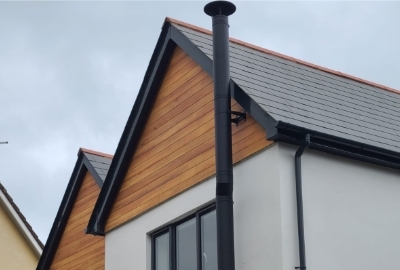
For those who are looking for the authentic experience of a real wood-burning stove, a twin-wall flue system is a popular, practical solution when you don’t have a chimney.
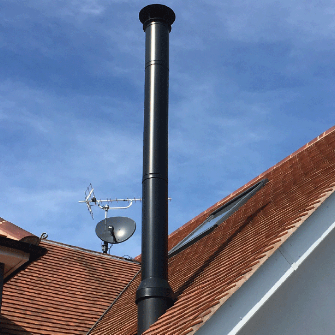
A twin-wall flue is a fully insulated, stainless-steel flue system that allows smoke and combustion gases to be safely vented outside, even when there’s no chimney breast. Because the flue is insulated, it stays hot enough to create proper draft (the upward airflow that directs smoke and combustion gases out of the stove), ensuring the stove operates safely and efficiently.
These systems can be installed one of two ways:
- Through an external wall and up the outside of the property
- Vertically through ceilings and out through the roof
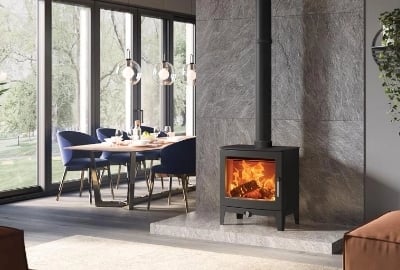
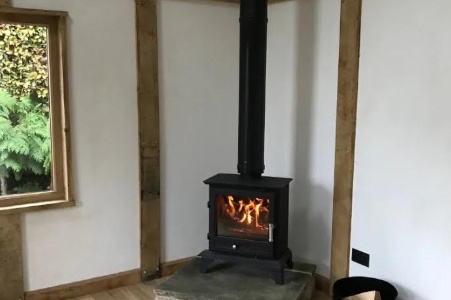
Due to this flexibility, you have the freedom to install a freestanding log burner without a chimney, place a log burner on a flat wall, or even create a corner log burner where no chimney breast exists.
The benefits of a twin-wall flue system include:
- An authentic wood-burning experience
- High heat output and excellent efficiency
- Suitable for most homes, including new-builds
- They’re highly customisable and can be fitted almost anywhere within the home
We recommend that all wood-burning stoves, regardless of whether they use a chimney or not, be installed by a HETAS-registered installer.
How to install a log burner without a chimney

Installing a wood-burning stove without a chimney is entirely possible thanks to twin-wall external flue systems. These flues perform the same function as a traditional chimney, but are far easier to install and highly customisable.
Below are some things to consider when installing a log burner with an external flue.
Building regulations and health and safety
Even when fitted without a brick-built chimney, wood-burning stoves must comply with UK Building Regulations. Key safety requirements include:
- Using a correctly sized, properly insulated flue: Our HETAS-approved twin wall flue systems are insulated with high-density rock wool, and come with a 10-year warranty (or more) for your peace of mind. They are available in 5", 6", 7", and 8" diameters.
- Proper flue termination height: Flue systems should provide adequate draft to direct smoke and combustible gases outside the building. The minimum height requirement for a flue system is 4.5 metres.
- Minimum clearances from combustible materials: A minimum of 60mm distance is required between the flue and combustible materials
- Using a non-combustible hearth: Granite, slate, and limestone hearths can all be used safely with a wood-burner.
- Carbon monoxide detection: A working carbon monoxide alarm must be installed in the same room as your stove. Check the government safety regulations for guidance.
Professional installation
To ensure you comply with all regulations, it’s best to have your flue installed by a HETAS-registered installer. They will:
- Design and fit the correct flue system
- Comply with UK Building Regulations
- Ensure clearances and correct hearth size are met
- Test the stove for proper draft and heat output
If you’re experienced with DIY and plan to install the flue yourself, make sure you read our twin-wall flue system guide first.
Planning your flue route
A twin-wall external flue can be installed through an external wall, or through the ceiling and roof. Both options ensure smoke and combustion gases are efficiently vented, allowing your stove to operate safely even without a chimney breast.
To make the process easier, we offer a flue system design service to help you select the right components for your installation. Simply fill in our form, and one of our experts will get back to your with a free, personalised quote in as little as 24 hours.
Choosing the right location for your stove
Choosing the right location for your log burner is just as important as selecting the stove itself. Because you’re not restricted by a chimney breast, you have far more flexibility over where your stove can be positioned.
For example, your stove can be freestanding, sitting against a flat wall, ideal for open-plan interiors or minimalist spaces. It can also go in a corner, with the flue exiting through the ceiling or nearest wall. If you prefer the look of an inset wood-burner with no chimney, this is also possible using a twin wall flue.
When choosing a location, it’s important to consider:
- The most direct and efficient flue route
- Adequate space for a non-combustible hearth
- Even heat distribution throughout the room
- Minimum clearances from walls, ceilings, and furniture
Your installer can help assess whether your proposed location is practical, safe, and compliant with building regulations.
Not having a brick chimney doesn’t mean you have to rule out a log burner. Whether you choose a traditional wood-burning stove with a twin-wall external flue, or opt for a chimney-free alternative like a flueless gas, electric, or bioethanol stove, there are now more options than ever before.
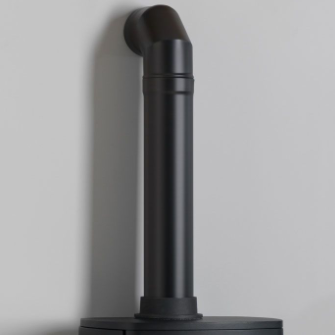
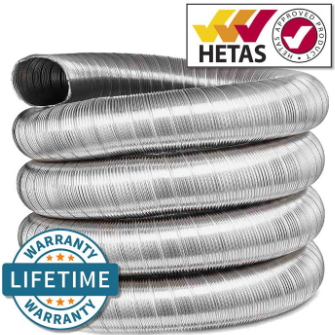
Here at StovesAreUs, we supply everything you need to install a log burner without a chimney. You’ll find a range of chimney products, including twin wall flue systems in a variety of sizes, chimney cowls, flue liners, and stove flue pipes, as well as hearths and stove accessories. Shop now, and complete your perfect fireside setup.
Chimneys & Accessories Categories
Enamelled Stove Flue Pipe
Flexible Flue Liner
Chimney Flue Systems
Chimney Cowls