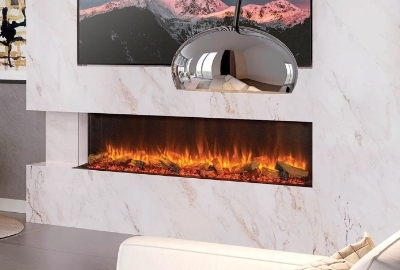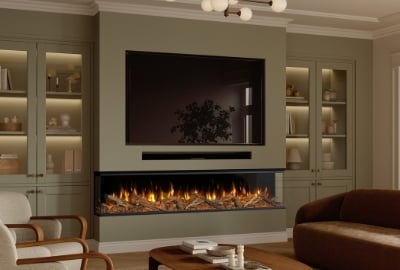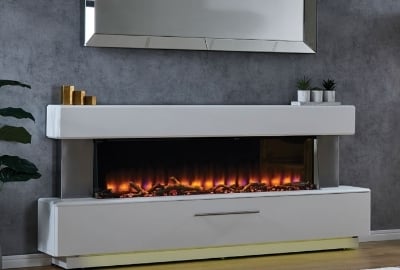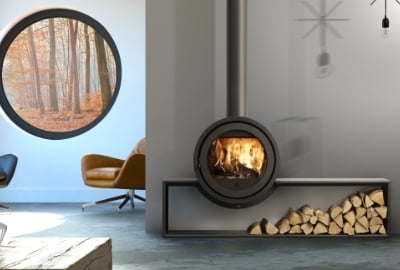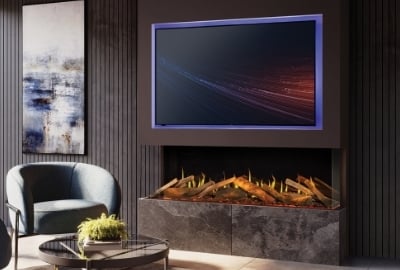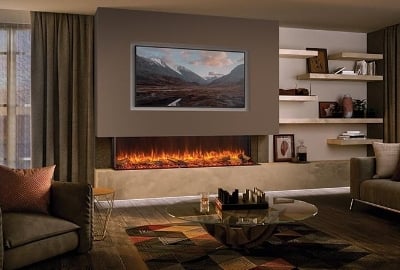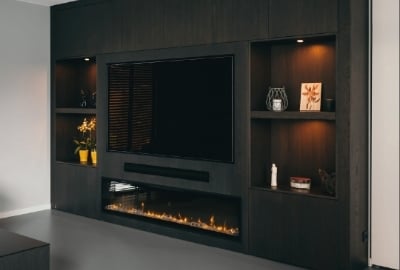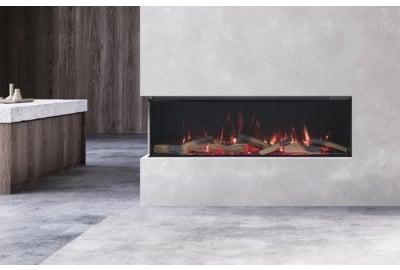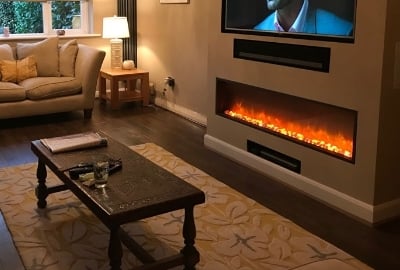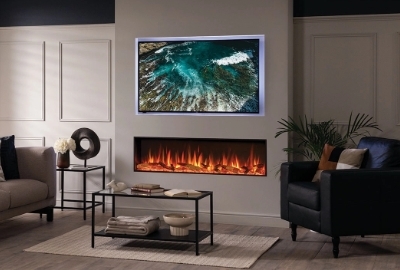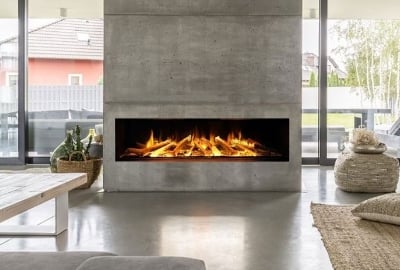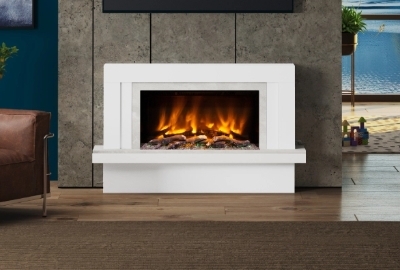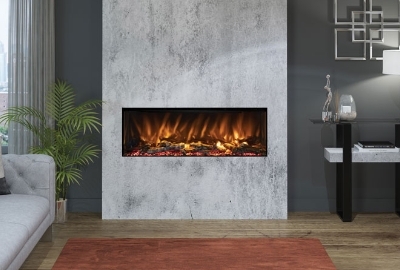
A media wall brings your television, electric fire and often storage, shelving or lighting together to create one feature wall at the heart of your living space. Done well, it can hide cables, make better use of the room and turn two everyday features, the TV and fireplace, into a single, well-designed focal point.
While the finished result can look beautifully simple, a successful media wall needs some careful planning behind the scenes. The dimensions of your TV and electric fire, the depth of the structure, power supplies, cable access, ventilation and viewing height should all be considered before the first timber is cut.
In this guide, we’ll look at how to create a media wall with an electric fire, the main stages involved and some of the decisions worth making before construction begins.
Contents
Plan Your Media Wall Before You Build
How to Build the Stud Wall
Choose the Right Electric Fire
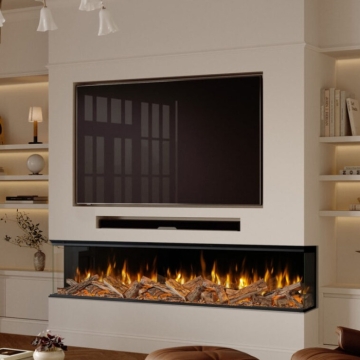
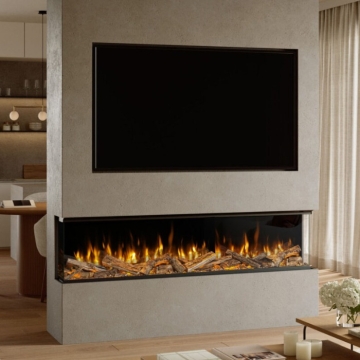
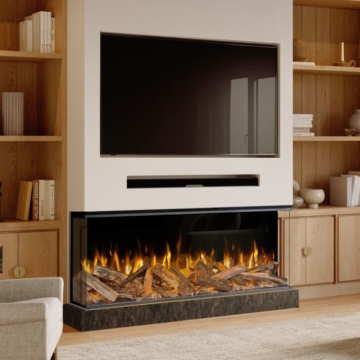
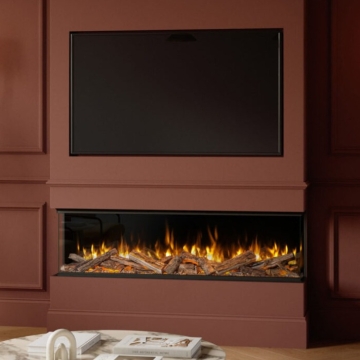
Position Your TV and Electric Fire
Plan Power, Cables and Access
Consider Heat, Airflow and Clearances
Finish and Personalise Your Media Wall
Choose Your Media Wall Electric Fire
Plan Your Media Wall Before You Build
The most important part of building a media wall happens before construction starts.
Begin by deciding exactly what you want the finished wall to contain. For many homes that’s a television and electric fire, but this is also the time to decide whether you want recessed shelving, speakers, soundbars, games consoles, LED lighting or concealed storage.
Most importantly, choose your television and electric fire, or at least establish their exact dimensions and installation requirements, before finalising the wall design.
Your electric fire will have specified opening dimensions, installation depth and clearance requirements. Your television needs enough space around it to look balanced while remaining at a comfortable viewing height. Building the structure first and choosing the appliances afterwards can lead to expensive alterations.
Measure the available wall and consider:
- The width, height and depth available for the media wall.
- The exact dimensions of the electric fire.
- The size and mounting requirements of the TV.
- Your normal seated viewing position.
- Power socket locations.
- HDMI, aerial, network and speaker cabling.
- Soundbar, console and media-device positions.
- Shelving, alcoves or storage.
- Access for future maintenance or changing equipment.
It can help to draw the entire wall to scale before committing to the build. Even marking the proposed TV and fireplace dimensions on the existing wall with masking tape can give you a much better idea of the finished proportions.
A wide fire doesn’t necessarily require an equally enormous television, and vice versa. The aim is to create a feature where the TV, fireplace and surrounding structure look deliberately proportioned rather than squeezed together.
How to Build the Stud Wall
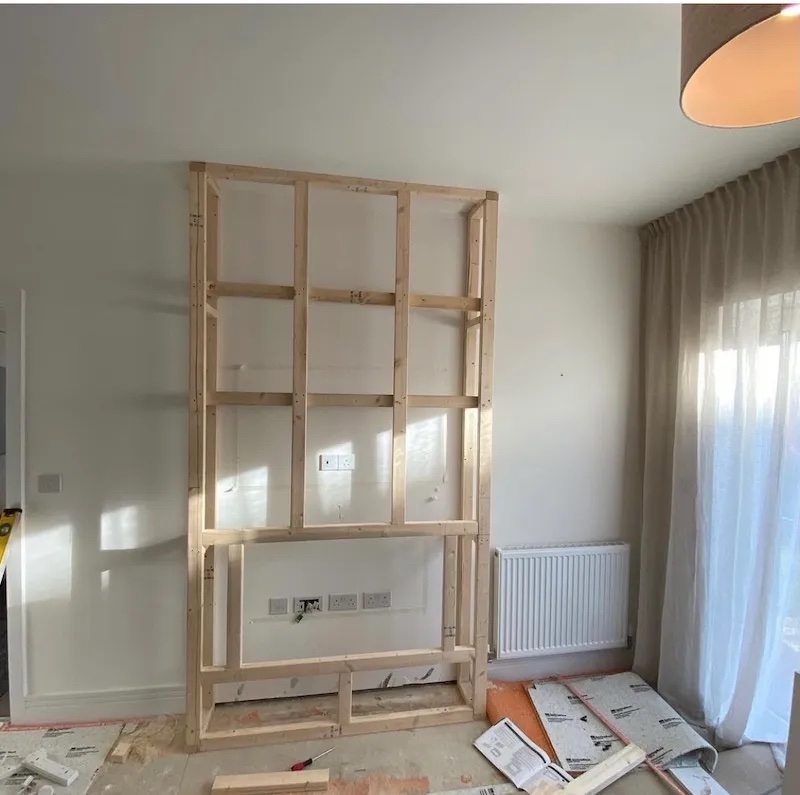
Most custom media walls are constructed around a timber or metal stud frame which creates the false chimney breast or feature wall.
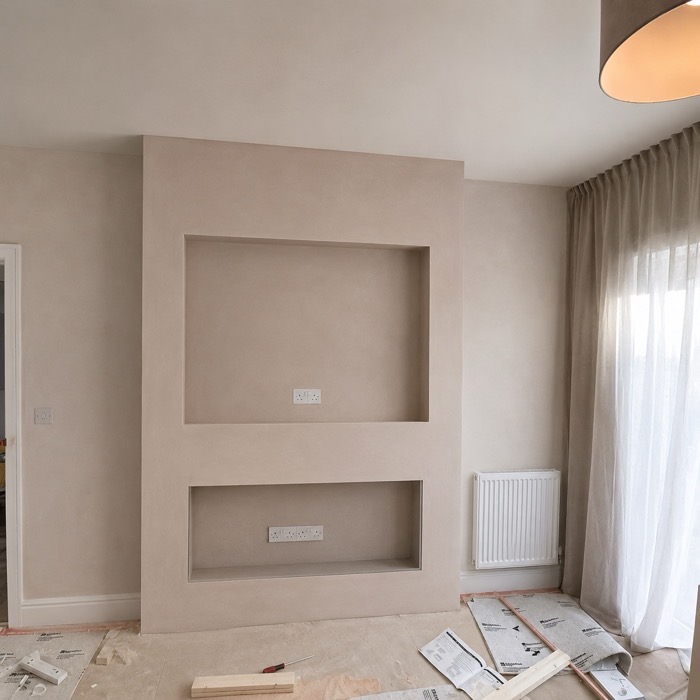
The frame provides the structure into which the electric fire can be recessed, while also creating space for cables, sockets and other equipment. Once boarded and finished, the plasterboard can meet the edge of a suitable built-in electric fire to create the clean, flush appearance associated with modern media walls.
The precise construction will depend on your room and chosen appliances, so this isn't an area where one set of dimensions suits every installation.
The opening for the fire should be built according to the manufacturer's specified installation dimensions, rather than simply measuring the visible front of the appliance. The same principle applies if you're creating a recessed section for your TV.
It's also worth planning ahead for anything that needs additional support. A large television, shelving, soundbar or heavy decorative finish may require suitable reinforcement within the frame rather than relying on plasterboard alone.
Once the structure is boarded and plastered, changing something hidden inside it becomes considerably more difficult. Before closing the wall, check the position of every cable, socket, fixing point and opening.
For homeowners without suitable building and electrical experience, employing the appropriate tradespeople is generally the sensible route. Even if someone else is constructing the media wall for you, having a clear plan beforehand makes it much easier to explain exactly what you want.
Choose the Right Electric Fire
Electric fires are particularly well suited to media walls because they don't require a chimney or flue and many models have been specifically designed to be built into a wall or fireplace structure.
For the seamless appearance most people associate with a media wall, look primarily at media wall electric fires and built-in models rather than choosing a fire purely on appearance and then trying to design the structure around it.
Think about the viewing style
Some electric fires are designed primarily for front-on viewing, while others can be configured with glass visible at the front and one or both sides.
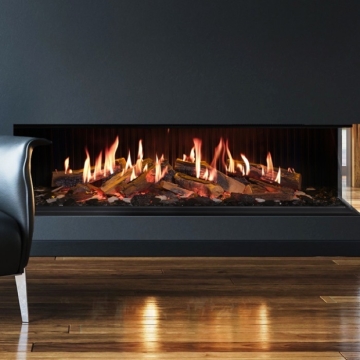
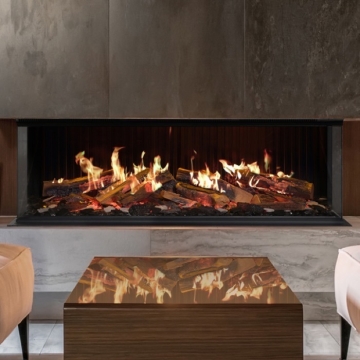
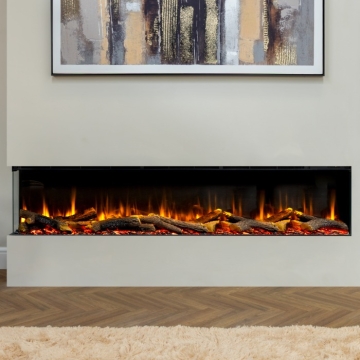
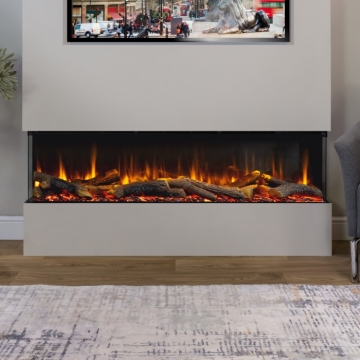
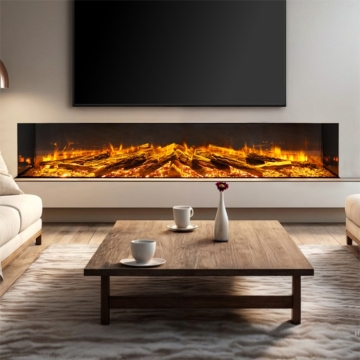
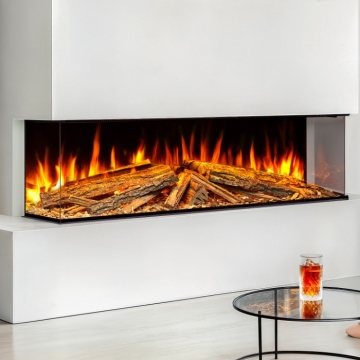
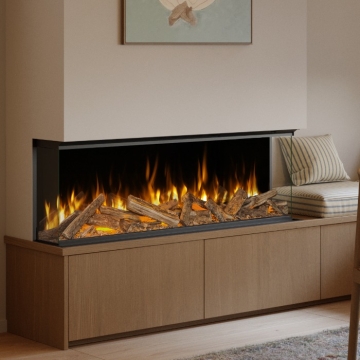
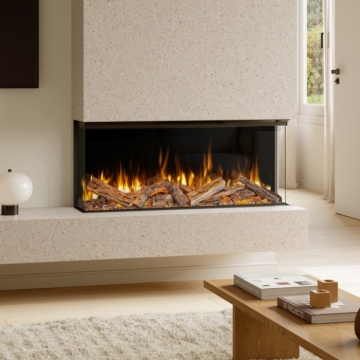
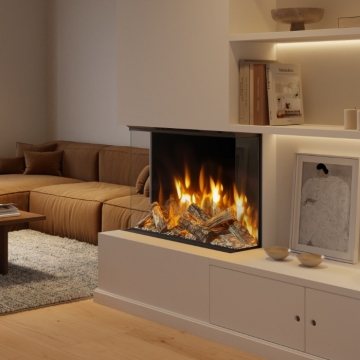
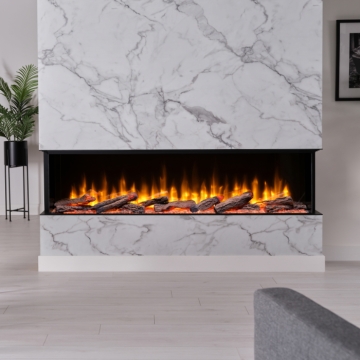
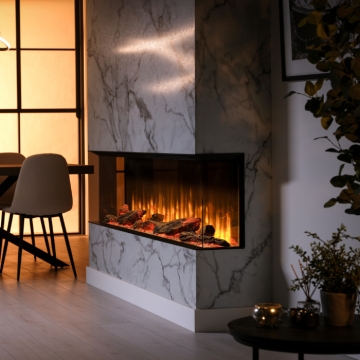
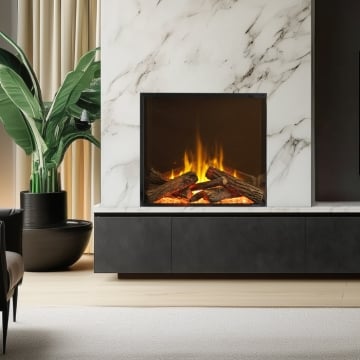
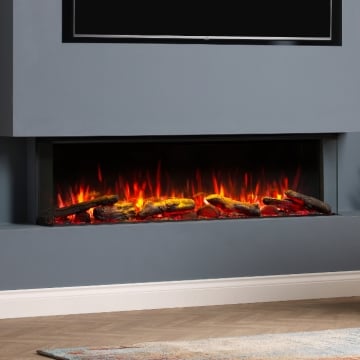
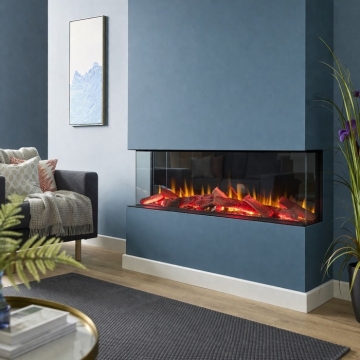
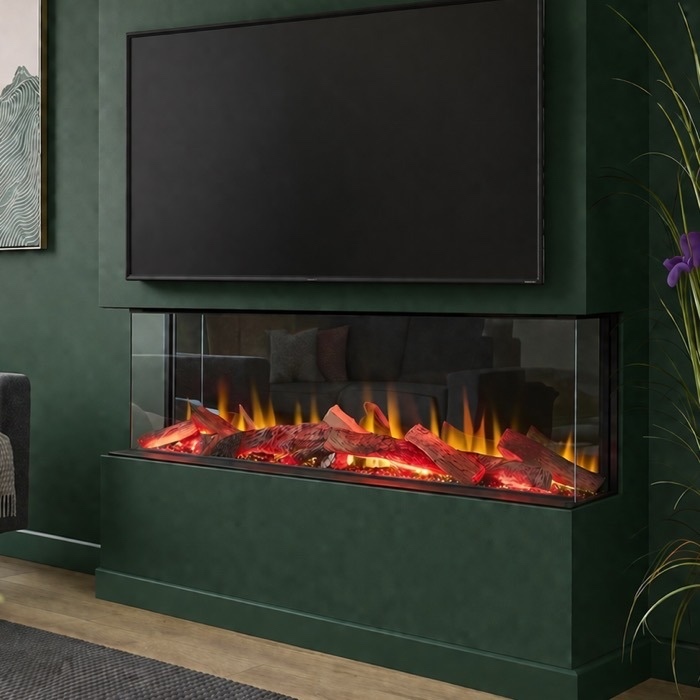
A single-sided fire can give you a very clean, flush appearance. A two or three-sided configuration can work particularly well where the media wall projects into a larger room and you want to see the flame effect from different angles.
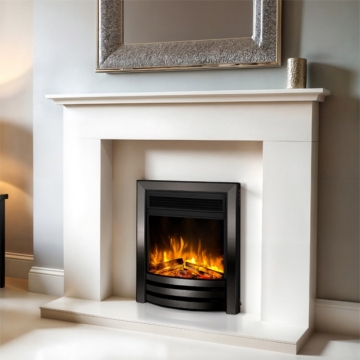
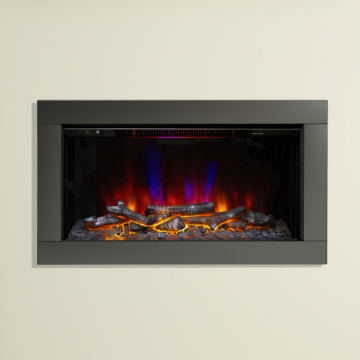
Alternatively, if you like the contemporary appearance of an electric fire but don't want to construct a full false chimney breast, a wall-mounted electric fire can offer a simpler way to create a feature fireplace while keeping valuable floor space clear.
Consider flame and fuel-bed effects
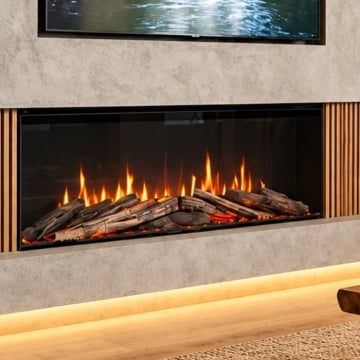
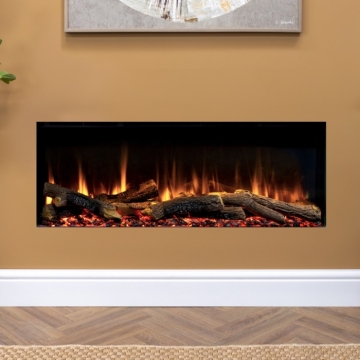
Modern electric fires offer far more choice than the traditional single orange flame effect. Depending on the model, features can include different flame colours, illuminated fuel beds, realistic log effects, adjustable brightness and independent lighting zones.
Think about how you'll actually use those effects. A very contemporary room may suit a fire with extensive colour adjustment, while a natural log bed and warm flame effect can soften a more traditional or understated interior.
Look beyond appearance
Controls and everyday usability matter too. Depending on the fire, you may find remote controls, apps, thermostatic heating and programmable settings.
Most importantly, check the manufacturer's installation instructions for the exact model before the media wall is built around it.
Position Your TV and Electric Fire
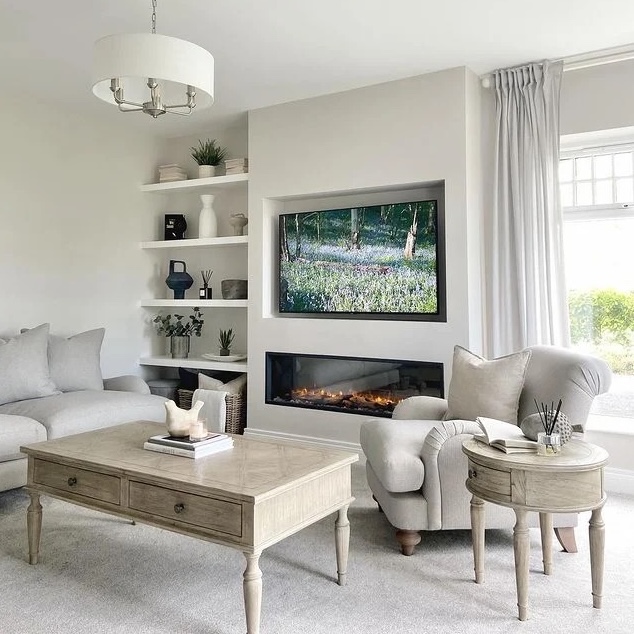
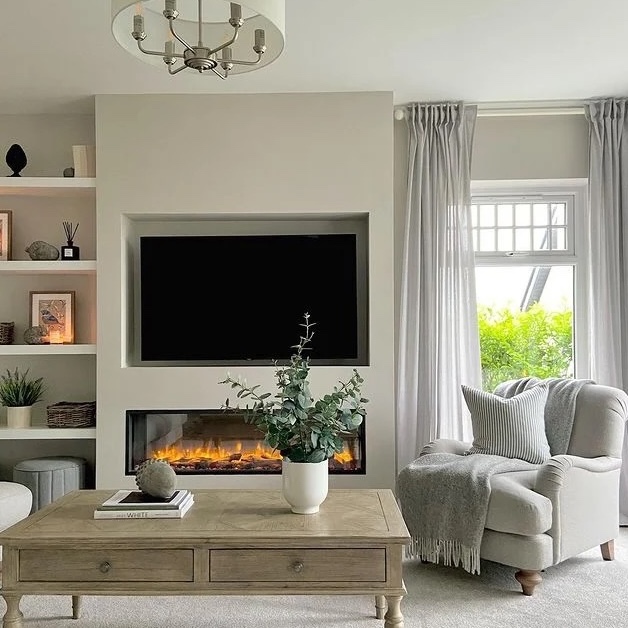
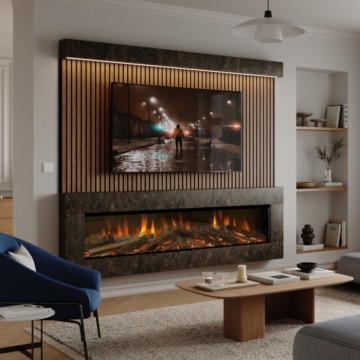
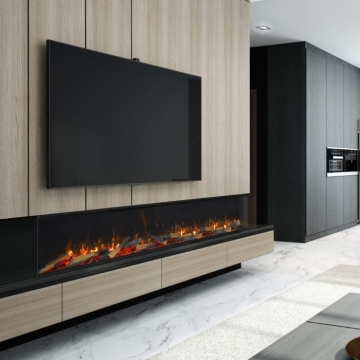
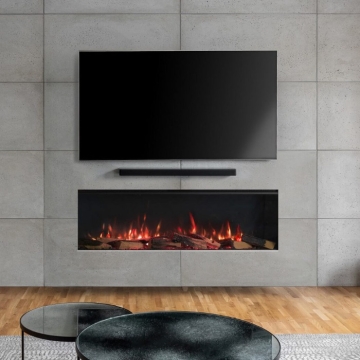
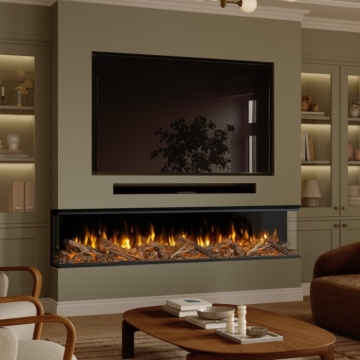
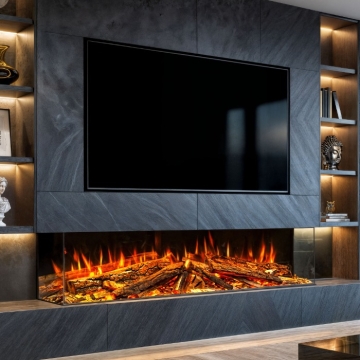
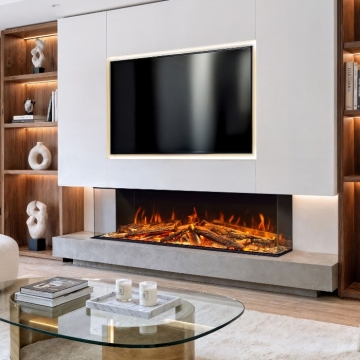
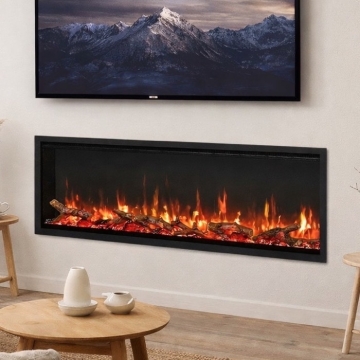
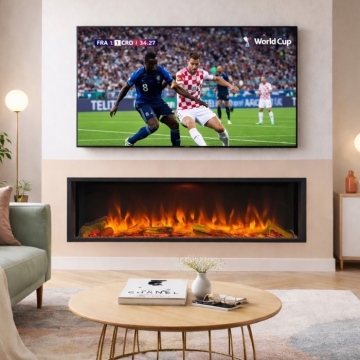
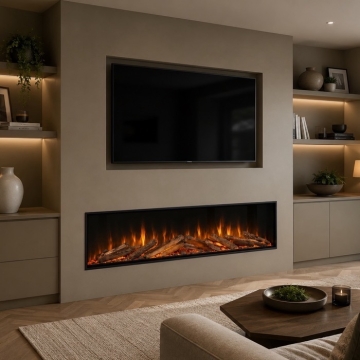
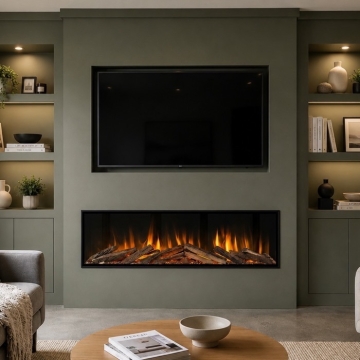
One of the biggest advantages of a media wall is having the television and fireplace together on a single feature wall. Getting their relative positions right, however, makes a significant difference to how comfortable the room is to use.
A common mistake is mounting the television too high simply because a fireplace sits beneath it.
Start with your normal seated position and think about a comfortable TV viewing height. Then work backwards to establish where the electric fire should sit.
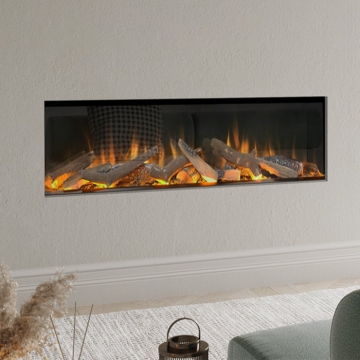
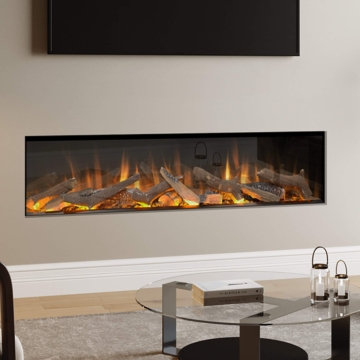
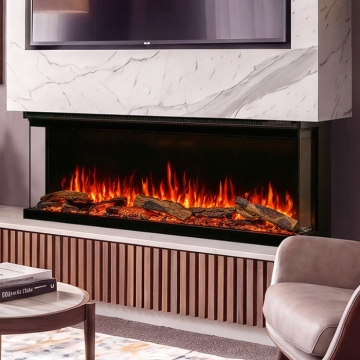
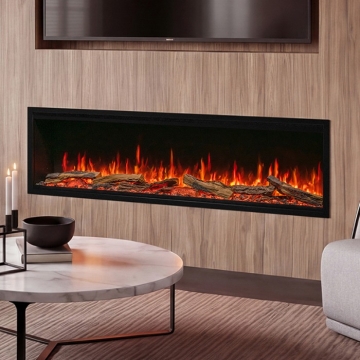
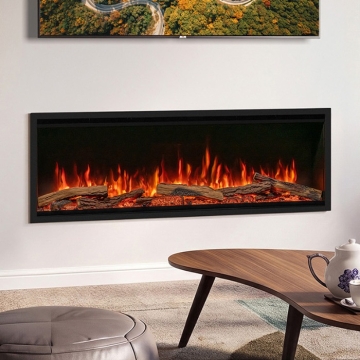
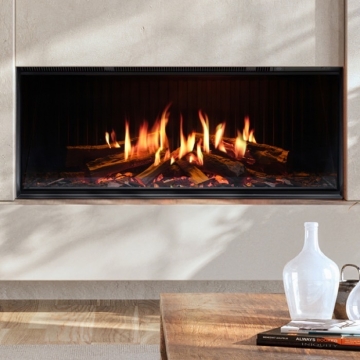
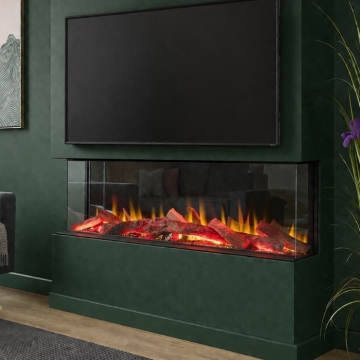
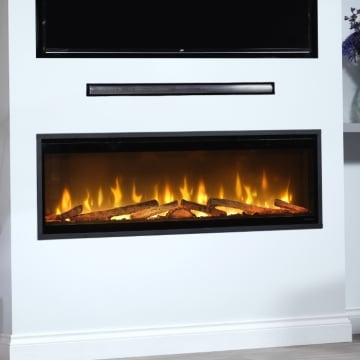
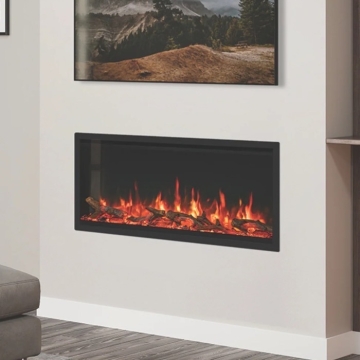
The dimensions of the fire will affect this considerably. A relatively slim, landscape electric fire can create a dramatic fireplace without consuming too much vertical space between the floor and television.
You should also consider the visual spacing between the two. Too little can make the wall appear crowded; too much can disconnect the television and fire so they no longer read as one design.
Always follow the electric fire manufacturer’s requirements when determining the installation and any necessary distances around it.
Before fixing anything permanently, it can again be useful to mark the TV and fireplace positions on the wall at full size. Sit in your usual position and see how the proposed layout actually feels.
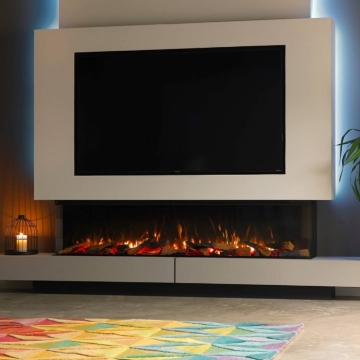
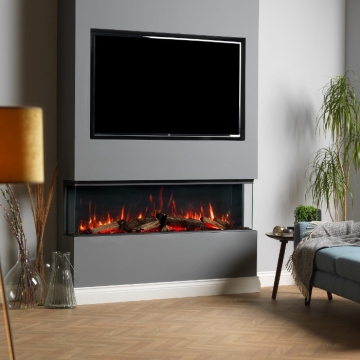
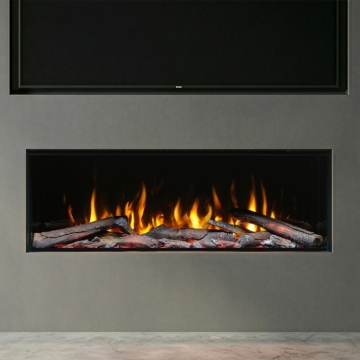
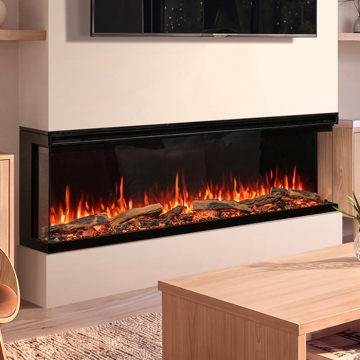
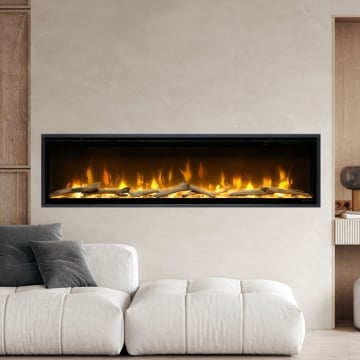
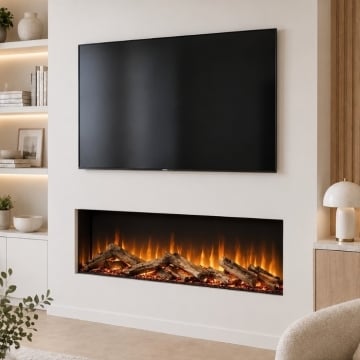
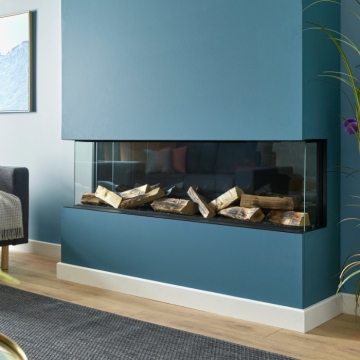
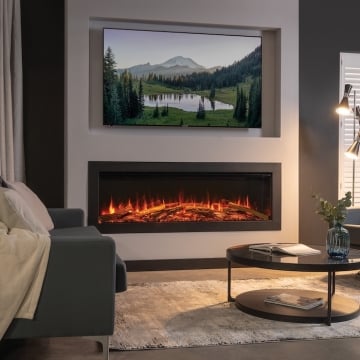
Plan Power, Cables and Access
One of the pleasures of a finished media wall is seeing almost no cabling. Achieving that clean appearance requires thinking about considerably more cable than you might expect.
The electric fire requires power, as does the television. You may also need connections for a soundbar, speakers, games console, streaming device, satellite or TV box, router or LED lighting.
Plan these requirements before the wall is boarded.
Where appropriate, allowing for conduit or suitable cable routes can make future changes much easier. Television and home-entertainment technology changes far more frequently than the media wall itself, so today’s HDMI cable or device may not be the one you want several years from now.
Access is equally important. Creating a beautifully seamless wall isn’t much consolation if replacing a cable or reaching a connection means cutting into freshly finished plasterboard.
Discuss socket locations and electrical work with a qualified electrician as part of the initial design rather than treating the electrics as something to solve after construction.
This is also the stage to consider lighting. LED strips within shelves, alcoves or around parts of the structure can be very effective, but their supplies and controls are much easier to conceal while the wall is being built.
Consider Heat, Airflow and Clearances
Many media wall electric fires combine decorative flame effects with a heater, commonly providing useful supplementary warmth to the room.
An advantage of electric fires is that the flame effect can usually be enjoyed independently of the heater. That means your media wall can provide ambience throughout the year rather than only when you need additional heat.
However, an electric fire still needs to be installed correctly.
Never assume that dimensions or clearances from one fire apply to another. Follow the instructions supplied by the manufacturer for the specific appliance, including its ventilation, installation opening and clearance requirements.
- Airflow around the appliance.
- The position and direction of the heater outlet.
- Required distances from surrounding materials.
- The position of the television.
- Shelves, soundbars or decorative features close to the fire.
- Access to electrical connections where required.
The same applies to finishing materials. If you're planning timber slats, panelling, shelves or other features close to the appliance, make sure they're suitable for their intended position and don't interfere with the fire's required airflow or clearances.
Planning these details before construction is far preferable to discovering afterwards that the shelf, soundbar or TV position you've chosen conflicts with the appliance manufacturer's instructions.
Finish and Personalise Your Media Wall
Once the practical decisions have been made, the media wall can become much more than a box containing a TV and electric fire.
A simple plastered and painted wall gives a clean, minimalist result, but there are plenty of ways to introduce more character.
Popular additions include:
- Timber or slatted wall panelling.
- Recessed illuminated shelves.
- Built-in cupboards or drawers.
- Floating shelves.
- LED accent lighting.
- Stone or stone-effect finishes.
- Textured wall panels.
- Contrasting paint colours.
- Space for speakers or a soundbar.
Try to let the room guide the design. A media wall doesn’t have to dominate the entire space. In a smaller living room, a relatively simple structure with a slim electric fire can actually help reduce visual clutter by bringing the TV, fire and media equipment together.
Larger rooms can accommodate wider fires, more shelving and stronger architectural details.
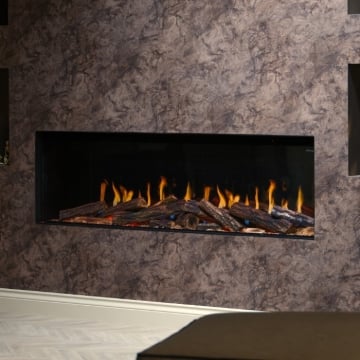
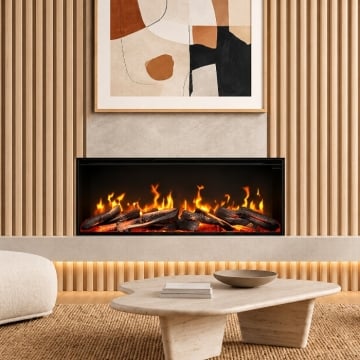
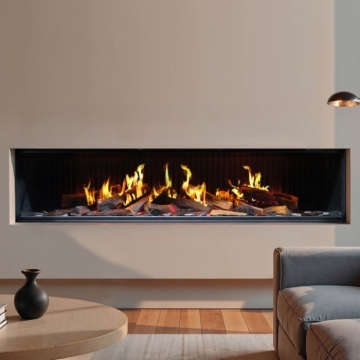
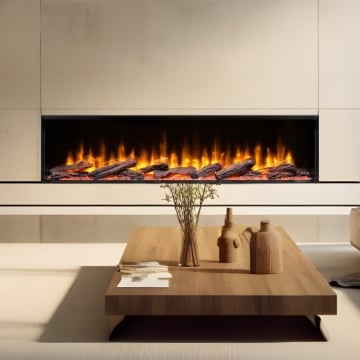
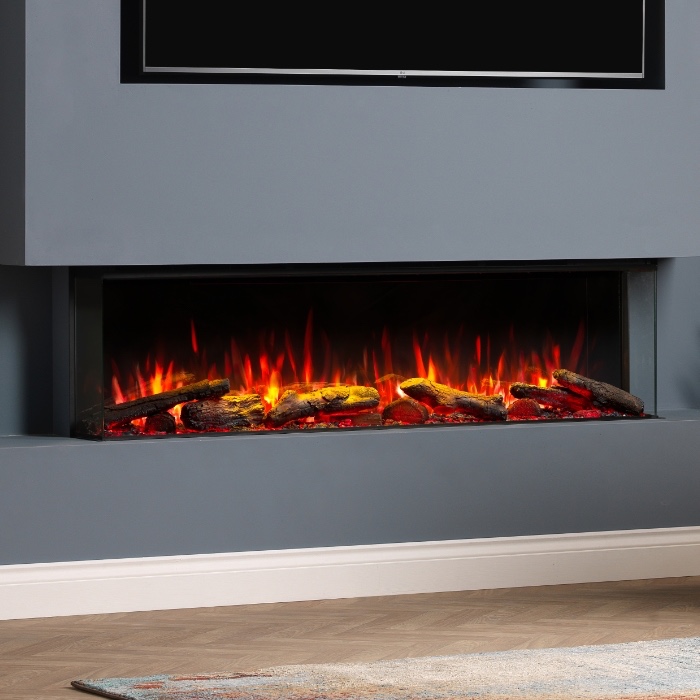
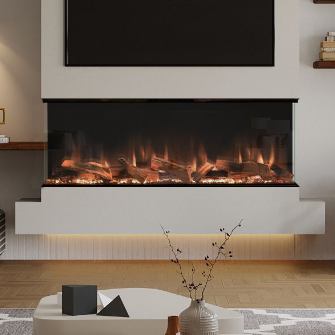
The electric fire itself can also influence the character of the finished wall. A long panoramic model creates a distinctly contemporary focal point, while realistic logs and warmer flame colours can make the same basic media wall concept feel considerably softer and cosier.
Choose Your Media Wall Electric Fire
The electric fire is one of the defining features of the finished wall, so it's worth choosing it early rather than treating it as the final purchase.
Start with the dimensions of your room and available wall, then think about the width of your television and the overall proportions you want to achieve. From there, compare the flame effect, fuel bed, viewing configuration, controls and heating features that matter to you.
Most importantly, once you've chosen a fire, use the manufacturer's specifications to design the opening and surrounding structure correctly.
You can explore our full collection of media wall electric fires to compare different sizes and styles.
A well-planned media wall can completely change the way a living room looks and works. By choosing your TV and electric fire first, planning the construction, electrics and cable access carefully, and only then turning your attention to the finish, you'll have a much better chance of creating a feature that looks as good in everyday use as it did in your original plans.
If you need help choosing the right electric fire for the space, the StovesAreUs team can help you narrow down the options before the build begins.
Planning a media wall with an electric fire? From choosing the right fire and getting your measurements right to building the stud wall, hiding cables and positioning your TV, our practical guide explains what to consider before creating your media wall. A media wall isn't just a spot to mount the TV. It’s a chance to turn an ordinary living room wall into a striking, practical focal point that brings entertainment, warmth, and design together in one place. With the right combination of materials, lighting, and a well-chosen electric fire, a media wall can completely transform the feel of a room. Electric fires have come a long way. No longer just a flat orange glow, today’s technology makes flames look so realistic you’ll want to reach out and warm your hands. But with three main Dimplex flame effects, Optiflame, Optimyst, and Opti-V you may wonder which one suits your home best? In this guide, we’ll break down each technology, compare features, and help you choose the right Dimplex fire for your space. Flat wall fireplaces are revolutionising the way we heat and style our homes. These versatile furniture pieces don’t require a chimney, recess, or complicated installation. Whether you're furnishing a new build or modernising a traditional home, flat wall fireplaces offer instant ambience and clean-lined elegance. As the seasons change and the nights become longer, we start looking for ways to transform our homes into warm, cosy retreats. And just like with other interior and home decor choices, the latest trends can be a great source of inspiration if you want to upgrade your home heating setup. Creating a stylish and cosy living space with a media wall electric fire is an exciting journey, but before you dash for the toolbox and mount your TV there are best practices and size guides that will help keep your media wall set up both functional and safe. TVs are getting bigger and living spaces can become cramped so mounting your TV on a will is a great option if you don't have space for a hefty media unit like a TV stand. Keep reading if you want more information on this popular media wall trend, we’ll help you combine your fire and TV in the best way possible to create a seamless media wall design. Contemporary fireplace design trends are moving towards designs with large flame viewing areas encompassing the cosy flame effect. Frameless models are also in high demand as well as classic designs that add elegance and warmth to your space. Look no further than a stunning stone fireplace or a frameless gas fire that will provide a cosy and inviting atmosphere and serve as focal points helping transform a room's look and feel. In this edit, we’ll suggest vogue fireplaces to add a touch of sophistication and luxury, while the crackling flames from your fire will create a comforting ambience that invites relaxation and conversation. If you’re looking to make a statement in your home in 2024, what better way to do so than with a fireplace feature wall? Not only do they allow you to show off your fireplace in its true glory, but they also add warmth to your home whilst serving as a focal point for the room. Plus, they can be a fantastic addition to not just the living room, but to a bedroom or dining room too. Keep reading if you need some inspiration for creating your dream media wall fireplace and we’ll share all the fireplace design trends of 2024. Are you looking to create a cosy haven by introducing a media wall fireplace to your living space? A great place to start is Dimplex Ignite, this collection of electric fires will fill your room with warmth and comfort created by the flickering fire and LED lighting. All this ambient tech comes without concerns about safety, maintenance and cost thanks to the plug-and-play design of the Ignite collection of media wall fires. Are you looking to add warmth, ambience and style to your home? A media wall fireplace to upgrade your home entertainment might be just what you need. If this sounds like a perfect plan then look no further than the revolutionary Vision Futura media wall electric fire. These cutting-edge electric fireplaces combine state-of-the-art technology with stunning design, resulting in a captivating centrepiece that will leave your guests in awe and elevate your living space to new heights. Are you tired of staring at a dull, lifeless living room wall? If you're looking for a way to transform your living space and create a dynamic, immersive atmosphere then a Gazco media wall electric fire might be just what you need. With its stunning visual displays and versatile functionality, a Gazco electric fire can help to bring your favourite movies, TV shows or games to life like never before. keep reading to discover why a Gazco media wall might be the perfect addition to your living room. In this article we take a look at which electric fires would look great in a media wall installation. The electric fires we’ve selected here tick all the boxes when it comes to both build quality and realism. They all offer comprehensive warranty whilst looking the part too! These fires are the best of the best but bear in mind you’ll pay a little bit more for these models given the realistic flame tech and extra features they come with. Wood-burning stoves have long been a popular way to heat homes, especially in rural areas where access to natural gas or electricity may be limited however there are many sustainable and efficient alternatives that can create the same cosy and rustic ambience in any room. In this blog, we’ll explore the alternative options that may be right for your space. Electric fires can be a great way to add style and a little bit of extra warmth to your home. They're economical, easy to operate and don't require any special skills to set up or maintain. But before you go out and buy one, there are a few things you should know about them first. In this article, we'll cover all you need to know about electric fires including how they work and which are the best type of electric fires. How Much Does an Electric Fire Cost to Run? We're often asked what does it actually cost to run an electric fire or stove? It's an interesting but increasingly difficult question to answer given the large fluctuations we're all seeing with heating costs. We try to provide an idea in this helpful article to try and give some understanding.Latest Articles For Media Wall Fires