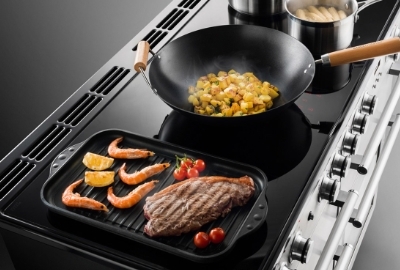
Choosing a new range cooker is about more than just size or style, the type of hob you select will shape how you cook every day. In this guide, we’ll explore exactly how each hob type works, how they compare in real-world cooking, and which option delivers the best long-term value.
When comparing induction, ceramic and dual fuel range cookers, the differences go far beyond appearance. Heat control, responsiveness, safety, energy efficiency and installation requirements all vary, understanding those differences will help you choose the right cooker for your kitchen.
Contents
Understanding the key differences
Gas hobs: Traditional power and control
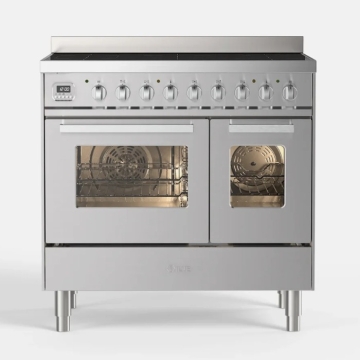
Ceramic hobs: Sleek design for everyday cooking
Induction hobs: Modern speed and efficiency
What is a dual fuel range cooker?
Which hob comes out on top?
How to Choose the Right Hob for Your Kitchen
Understanding the key differences
Although gas, ceramic and induction hobs may look similar when installed on a range cooker, they operate in very different ways. That difference in heat delivery affects cooking speed, precision, efficiency and safety.
Here’s a clear breakdown:
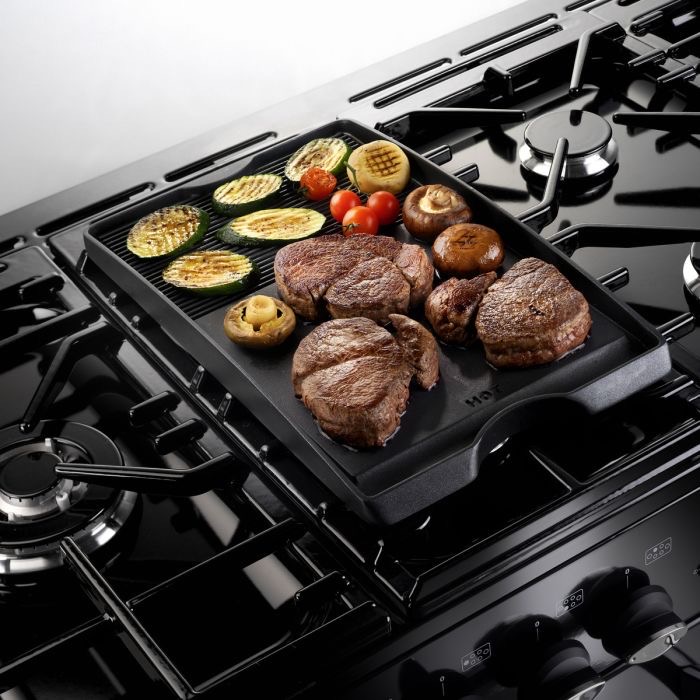
- Gas hobs use an open flame powered by natural gas or LPG. The flame heats the base of the pan directly and adjusts instantly when you turn the control knob.
- Ceramic hobs use electric heating elements located beneath a smooth glass surface. The surface heats first, then transfers heat to the cookware.
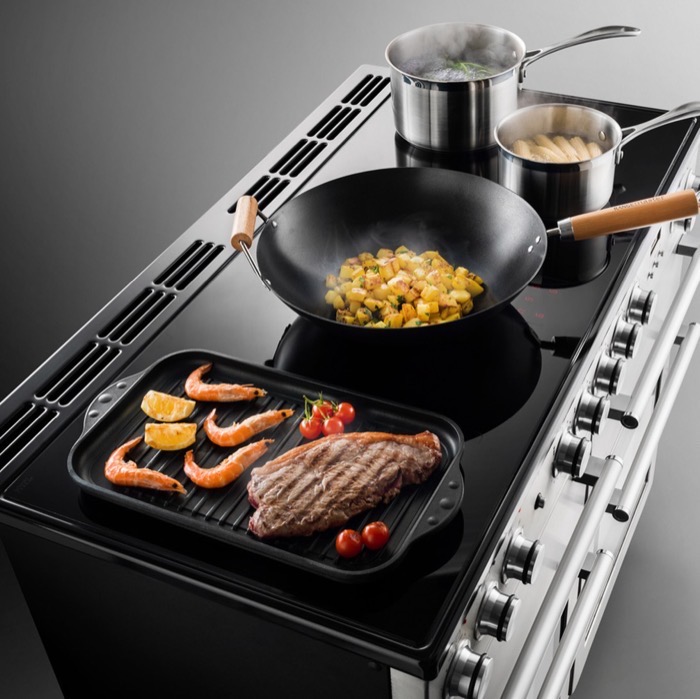
- Induction hobs use electromagnetic currents to heat compatible magnetic cookware directly. The pan itself becomes the heat source, while the hob surface remains relatively cool.
- Dual fuel range cookers combine a gas hob with an electric oven, blending responsive flame cooking with consistent electric baking performance.
Because each system transfers heat differently, the cooking experience changes significantly. Gas cookers provides visible, tactile control. Ceramic cookers offers steady electric heat beneath a sleek surface. Induction delivers rapid, energy-efficient precision.
Understanding these fundamentals makes choosing the right hob far simpler.
Gas hobs: Traditional power and control
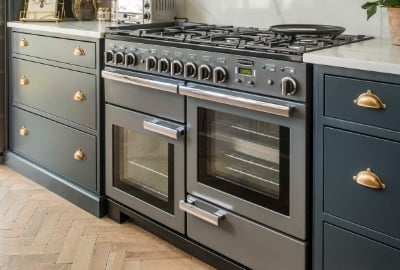
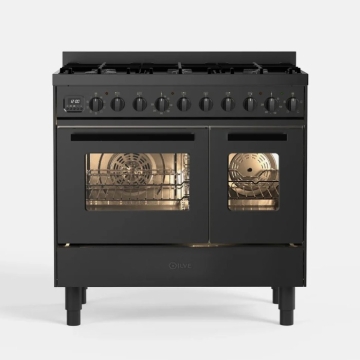
Gas remains a popular choice in UK homes, especially for range cookers, thanks to its instant heat response and visible flame control. Adjustments happen immediately, making it easy to manage everything from gentle simmering to high-heat searing. Gas is also highly versatile, working with all cookware types and delivering strong performance at high temperatures.
However, it requires a mains gas or LPG supply and professional installation. Cleaning can take longer due to burners and pan supports, and some heat is lost during cooking, making it less energy efficient than induction. For traditional kitchens and cooks who value open-flame control, gas range cookers from brands like DeLonghi & Belling remain a dependable and powerful option.
Ceramic hobs: Sleek design for everyday cooking
Ceramic hob cookers are popular with homeowners who value clean design and simplicity. Their flat glass surface and subtle controls suit contemporary kitchens, while electric elements beneath the glass provide steady, even heat for everyday cooking tasks such as boiling, frying and simmering.
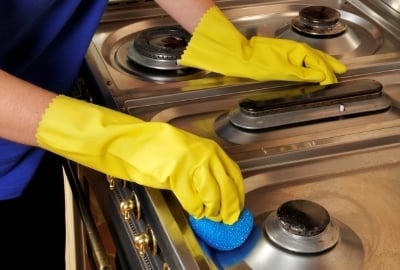
They are easy to maintain, with a smooth surface that wipes clean more quickly than gas burners and pan supports. However, ceramic hob ranges are slower to heat up and cool down, and the surface retains residual heat after use. They are also less energy efficient than induction due to heat loss during transfer.
For those seeking an affordable, stylish and practical option, ceramic remains a reliable mid-range choice.
Induction hobs: Modern speed and efficiency
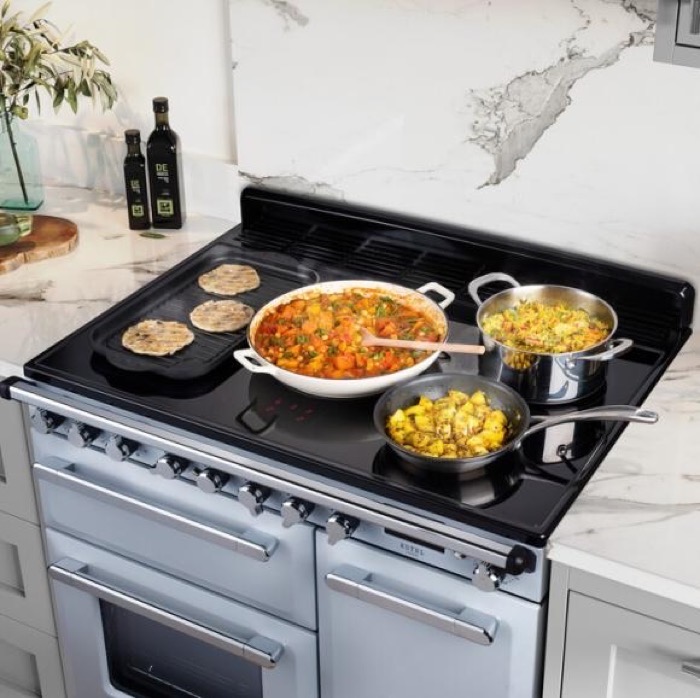
Induction technology has transformed modern cooking. Rather than heating the hob surface, it uses electromagnetic currents to heat the cookware directly, resulting in faster cooking and significantly less wasted energy.
Because the pan becomes the heat source, temperature changes happen instantly. Water boils much quicker than with gas or ceramic, and delicate tasks benefit from precise temperature control.
Safety is another key advantage. The surface stays comparatively cool and usually switches off automatically when cookware is removed, making induction hobs ideal for busy family homes.
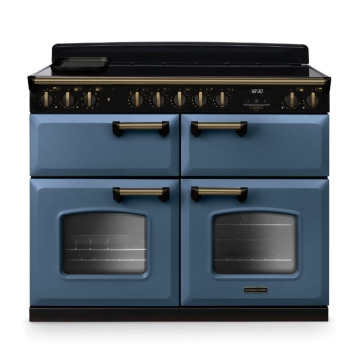
The main consideration is cost. Induction range cookers typically have a higher upfront price and require compatible magnetic cookware, along with adequate electrical capacity.
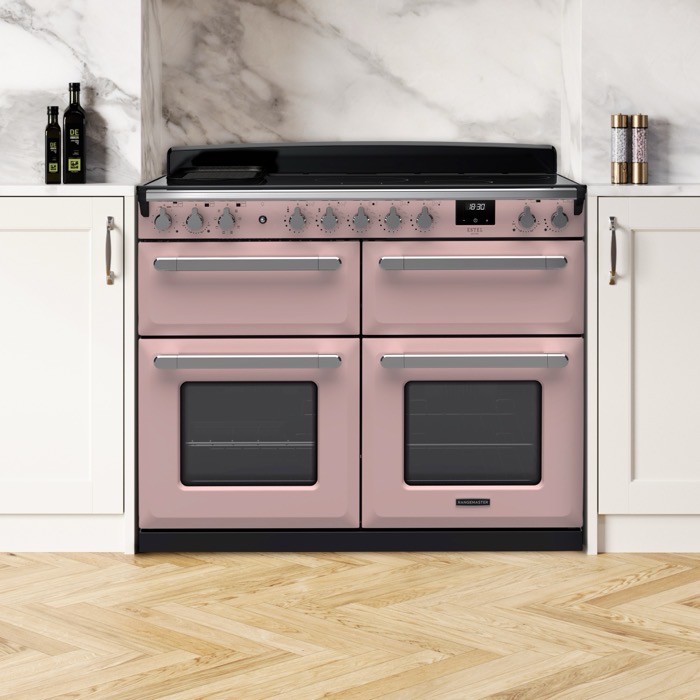
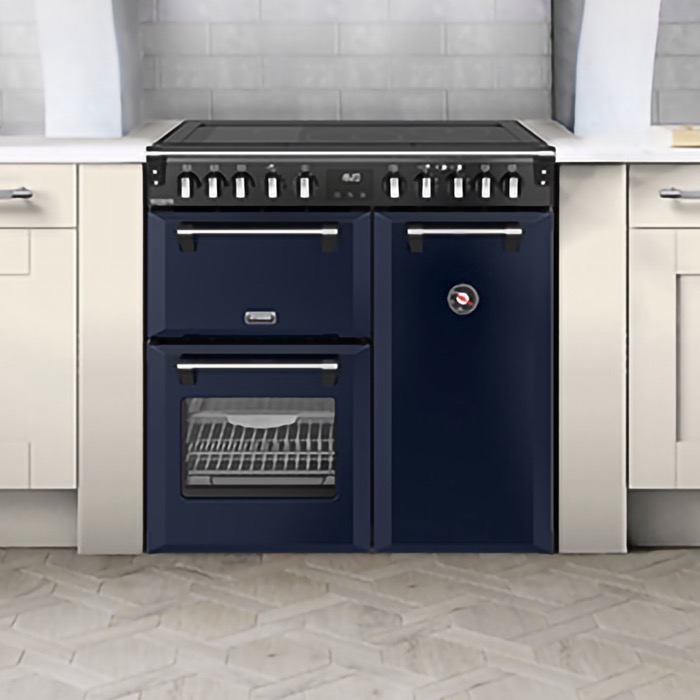
For energy-conscious buyers and modern kitchens, consider Rangemaster & Stoves induction cookers, they’re the standout choices.
What is a dual fuel range cooker?
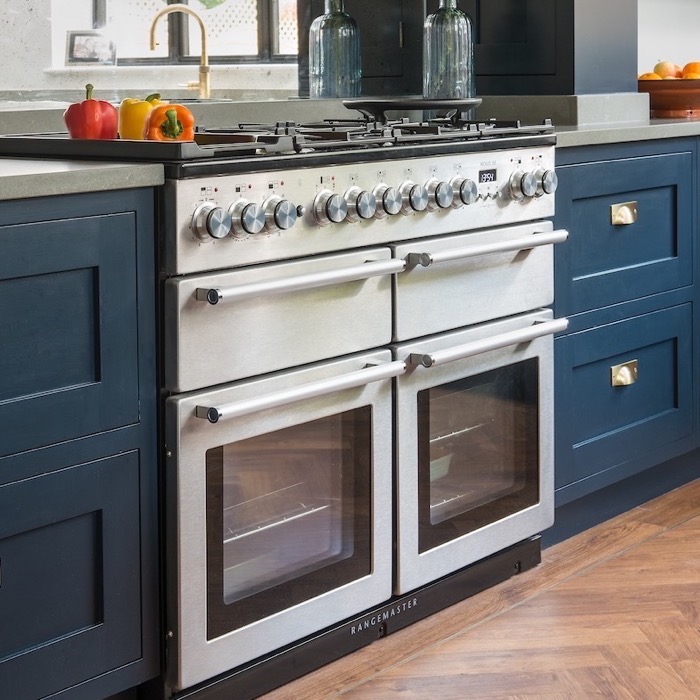
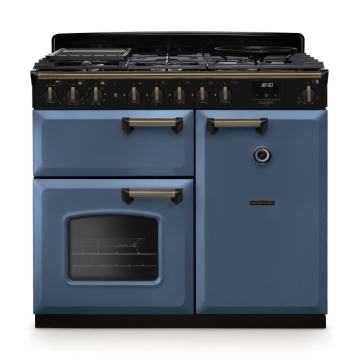
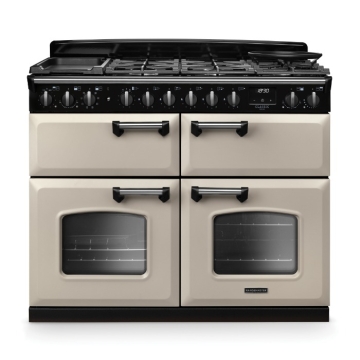
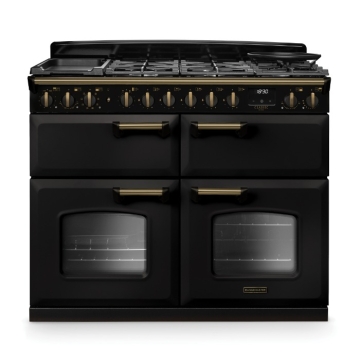
When researching range cookers, you’ll frequently see the term “dual fuel”. This refers to a cooker that combines:
- A gas hob for responsive flame cooking
- An electric oven for consistent, even baking
Many homeowners prefer dual fuel cookers because they offer the best of both worlds. Gas provides hands-on hob control, while electric ovens deliver reliable temperature distribution, ideal for baking cakes, roasting meats and batch cooking.
If you enjoy traditional flame cooking but want dependable oven performance, dual fuel is an excellent compromise.
Which hob comes out on top?
When comparing induction vs gas vs ceramic hobs for a range cooker, performance differences quickly become clear.
Heat Speed
- Induction – Fastest heating due to direct energy transfer
- Gas – Strong heat with immediate visual adjustment
- Ceramic – Slower as the glass surface must heat first
Temperature Control
- Induction – Highly precise digital control
- Gas – Excellent manual control with visible flame
- Ceramic – Slower responsiveness due to residual heat
Energy Efficiency
- Induction – Most efficient with minimal heat waste
- Gas – Moderate efficiency
- Ceramic – Least efficient as old tech.
Ease of Cleaning
- Induction – Flat surface with minimal burnt-on spills.
- Ceramic – Smooth but surface remains hot after use.
- Gas – Requires cleaning of burners and pan supports.
While induction stands out as the best all-round hob for speed, efficiency and safety, gas remains a popular choice for those who value traditional open-flame cooking and hands-on control. The right option ultimately depends on whether you prioritise modern performance or classic cooking feel.
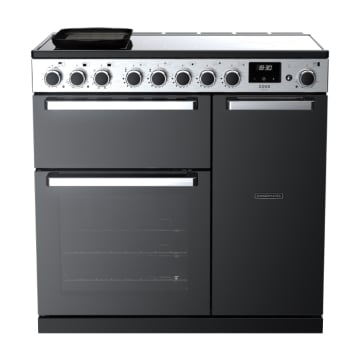
How to Choose the Right Hob for Your Kitchen
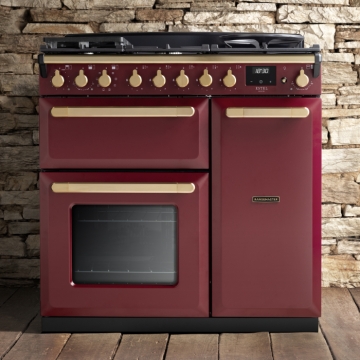
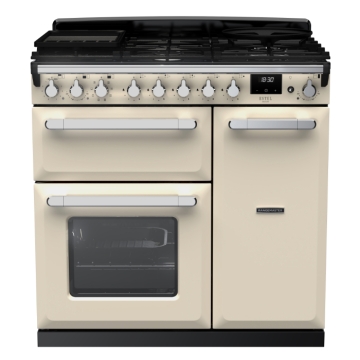
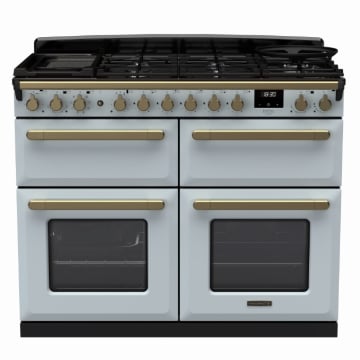
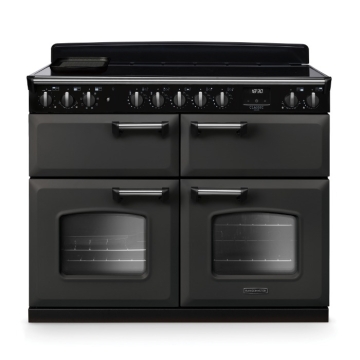
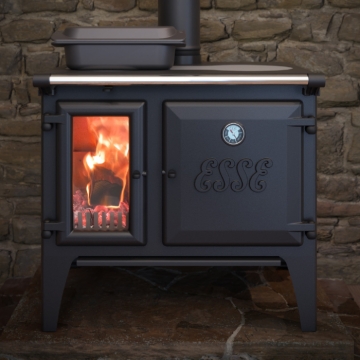
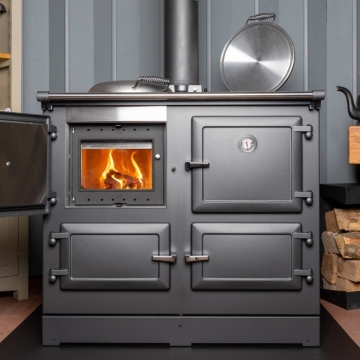
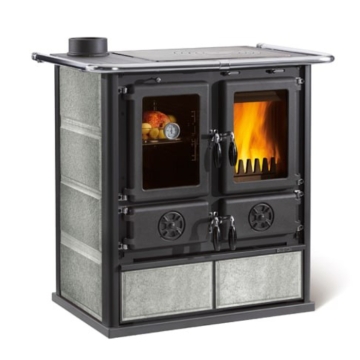
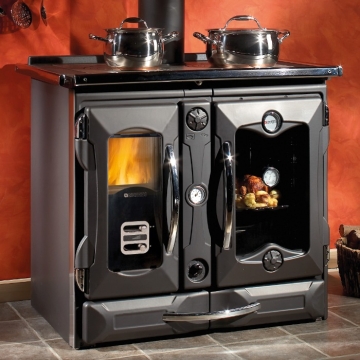
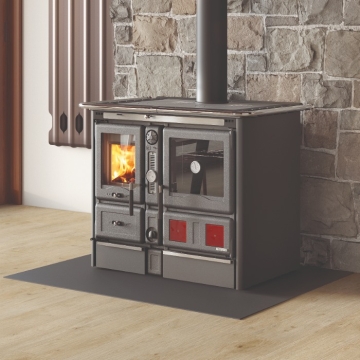
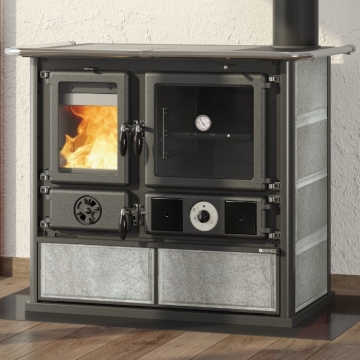
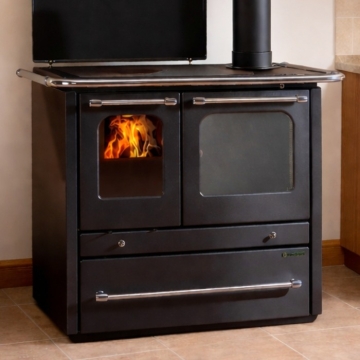
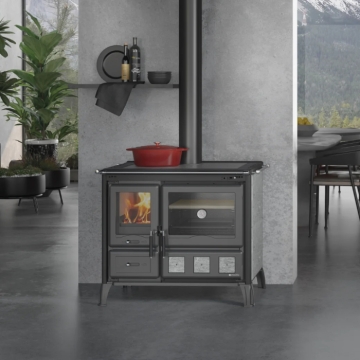
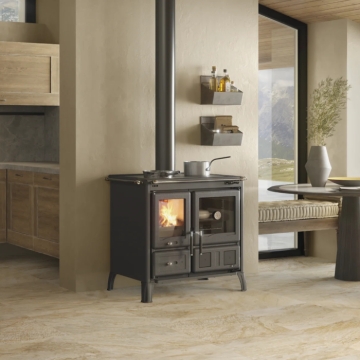
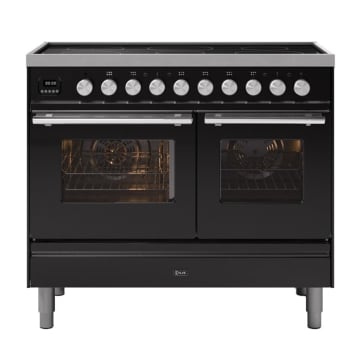
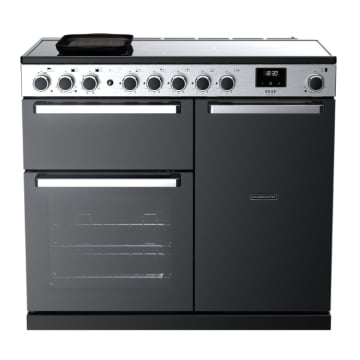
Choosing the best hob for your range cooker comes down to how you cook and what matters most in your home. If you enjoy traditional techniques and visible flame control, gas or dual fuel may feel like the natural choice. If speed, safety and energy efficiency are your priorities, induction stands out as the strongest all-round performer. For those focused on sleek design and affordability, ceramic & gas offer reliable everyday cooking.
Think about how often you cook, who uses your kitchen and whether long-term running costs are important to you.
At StovesAreUs.co.uk, we stock a wide range of gas, ceramic, induction and dual fuel range cookers from leading brands, making it easy to compare features, finishes and performance in one place. Explore our collection today to find the perfect hob for the way you cook.