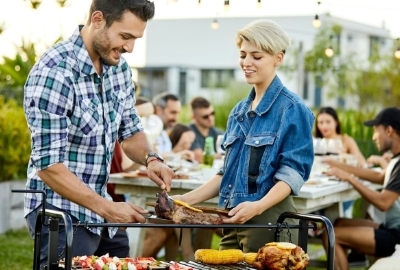
Knowing how to light a BBQ properly is the first step in creating a great outdoor cooking experience. Whether you’re using a charcoal, gas, or a more specialist grill type, getting the setup right will help your food cook evenly, improve flavour, and, most importantly, keep you safe.
In this guide, we’ll walk you through how to light each type of BBQ, including charcoal, gas, hybrid models, pellet grills, and plancha grills, as well as some cooking and safety tips to help you make the most of your BBQ.
Contents
How to light a charcoal BBQ: What you’ll need
How to get a charcoal BBQ going quickly
Tips for using charcoal BBQs
How to cook on a gas BBQ
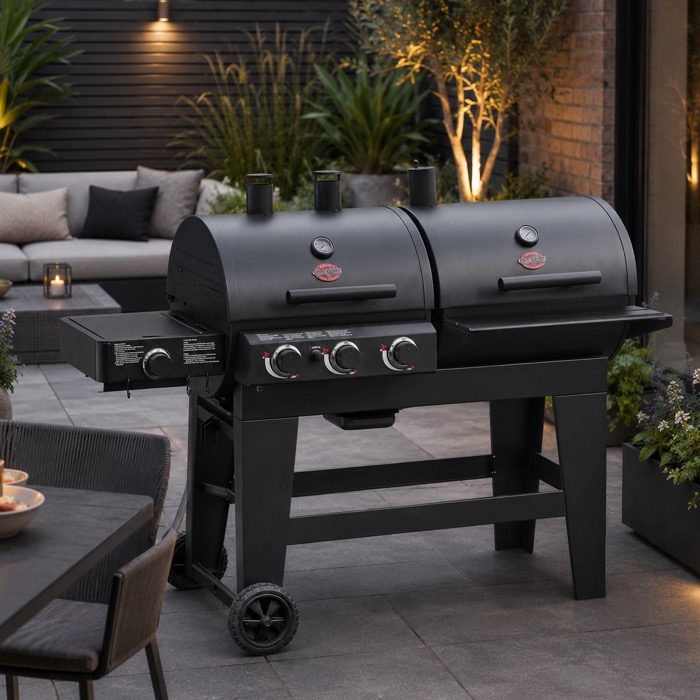
How to light a hybrid (gas and charcoal) BBQ
How to light a plancha grill
How to light a pellet grill
How hot should a BBQ be?
How to light a charcoal BBQ: What you’ll need
Charcoal BBQs are a favourite amongst grilling enthusiasts thanks to the rich, smoky flavour they give food. However, they do take a little more time and technique to get going than other BBQ types.
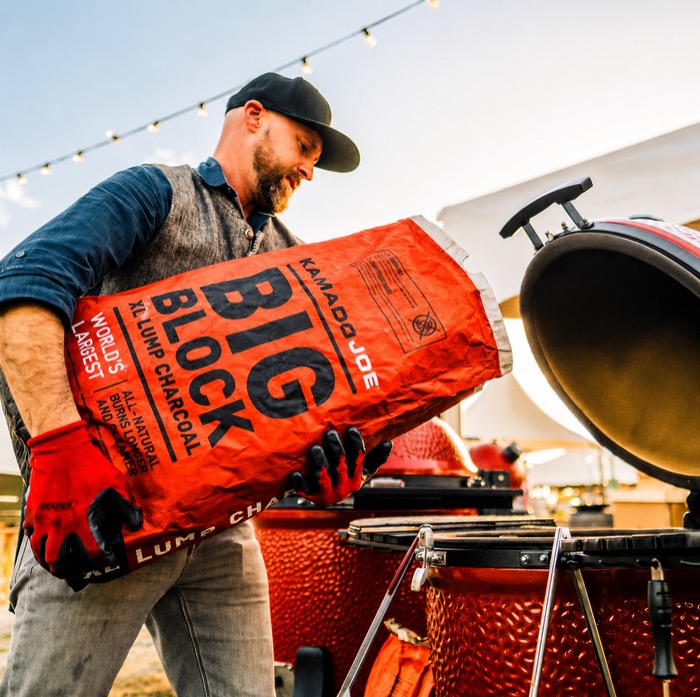
Before you start, gather the essentials. You’ll need charcoal and firelighters to start the fire. Natural wood wool firelighters are a great option, as they provide a clean, efficient burn. There are also many types of BBQ charcoal available, made from different woods that can influence flavour. If you’re just starting out, it’s best to use 100% hardwood (also known as lumpwood) charcoal, as it burns hotter and more consistently than briquettes or softwood.
The best way to light a charcoal BBQ
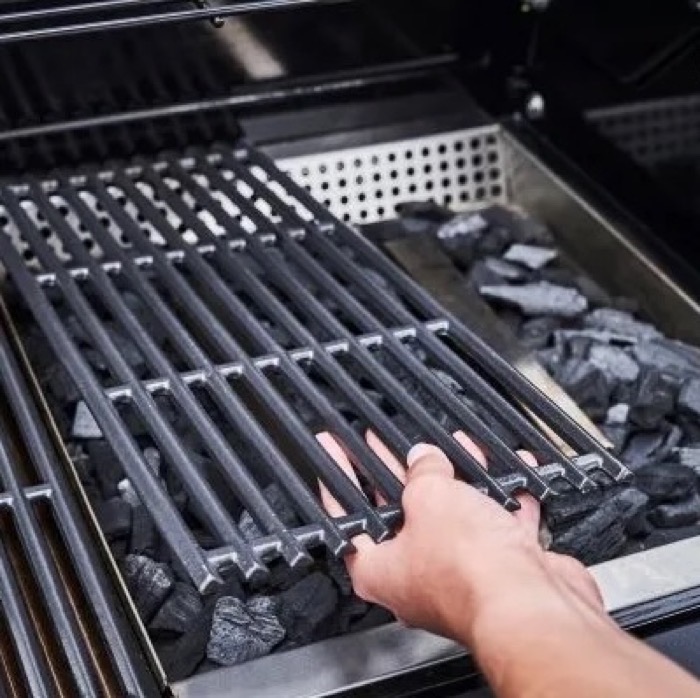
Start by removing the grill and placing your charcoal in the base of the BBQ. Arrange it into a rough pyramid shape to help the fire spread evenly. Place one or two firelighters underneath, or nestled within the coals.
Light the firelighters using a long match or lighter, keeping your hands safely away from the flames. Leave the lid and vents open to allow airflow, as oxygen is essential for the fire to build.
After around 10–15 minutes, the flames will begin to die down, and the charcoal will start to glow. Wait until the coals are covered with a light grey or white ash — this can take 20–30 minutes in total. At this stage, they’re ready for cooking.
Spread the coals evenly across the base for direct heat, or move them to one side to create a cooler zone for indirect cooking. This setup is ideal if you’re cooking a variety of foods at the same time.
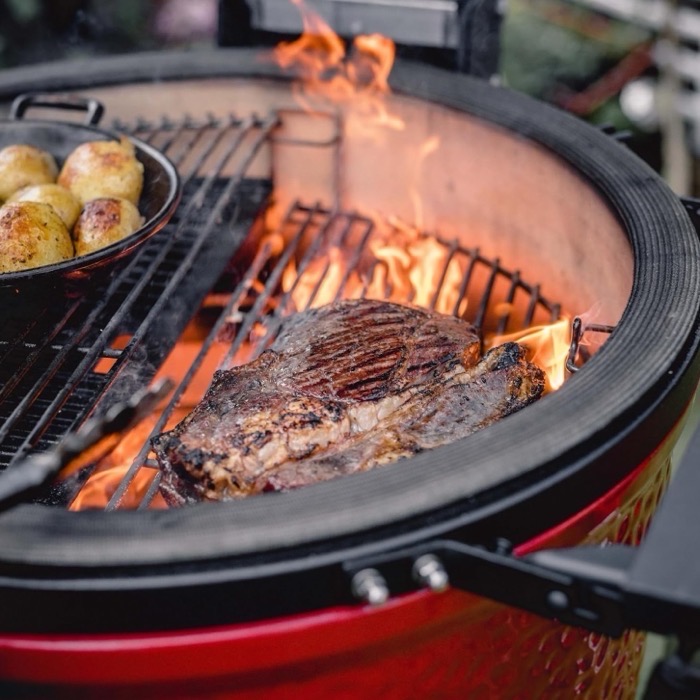
How to get a charcoal BBQ going quickly
When everyone’s hungry and waiting for dinner, a BBQ that takes ages to light can be frustrating. Here are a few simple things you can do to help get the BBQ burning faster:
- Ensure your fuel is completely dry to start. Dry, high-quality lumpwood charcoal lights faster than low-grade or damp fuel. If you’re using briquettes, make sure they’re stored in a dry place, as moisture can significantly slow ignition.
- Avoid adding too much charcoal at once. It can be tempting to fill the BBQ completely, but too much charcoal at the start can restrict airflow and slow the fire down. Begin with a smaller amount and build heat gradually once the flames are established. Using dry, high-quality lumpwood charcoal will also help the fire catch more easily.
- Use the right firelighter. Natural firelighters (such as wood wool) are often the quickest and most reliable option. Some people opt to use a chimney starter, which is another reliable way to light BBQ coals evenly and efficiently without waiting for individual flames to spread.
- Let the fire establish itself before adjusting the layout. Once the charcoal is lit, avoid disturbing it too much. Moving it around too early can reduce airflow and slow the process down.
Tips for using charcoal BBQs
Once you know how to light a charcoal BBQ, a few simple tips will help you get the best results and make the process easier:
Learn how to control the heat
Unlike gas BBQs, where heat is controlled by turning a dial, charcoal relies on airflow and fuel distribution. That means small changes can have a big impact on your cooking.
If the BBQ is too hot, food can burn on the outside before it has time to cook through in the middle. You may also get flare-ups from dripping fat, making cooking harder to control. A BBQ that’s too cold, on the other hand, can make food dry out, take longer to cook, and stop it from developing that caramelised sear.
You can use the air vents to control airflow, easily adjusting the temperature without having to add more fuel. More oxygen increases heat, while closing the vents slightly will lower it.
Master cooking with direct and indirect heat
The two main cooking methods used on a charcoal BBQ are direct and indirect heat.
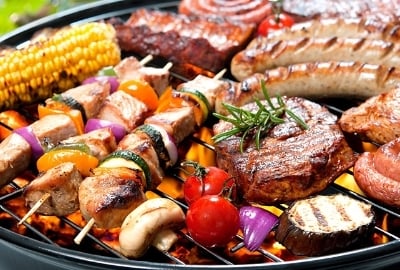
Direct heat means cooking food directly above the hot charcoal. This creates high, intense heat from underneath, which is ideal for fast cooking and getting a good sear. It’s best used for foods like burgers, sausages, kebabs, and vegetables like corn on the cob or peppers.
Indirect heat is when food is placed away from the charcoal, with the heat circulating around it rather than directly underneath. This is usually done by pushing the coals to one side and placing the food in the cooler area. Indirect heat works more like an oven, using gentler, surrounding heat to cook food more slowly and evenly. It’s ideal for larger or tougher cuts of meat such as whole chickens, joints, ribs, or anything that needs longer cooking times.
Use your charcoal BBQ safely
Always use your BBQ outdoors in a well-ventilated area. Never use petrol or other accelerants to start a BBQ fire, and only burn high-quality charcoal that is intended for BBQs. Keep a safe distance while lighting, and allow coals to cool completely before disposing of them.
How to cook on a gas BBQ
Cooking on a gas BBQ is a quick and convenient process. There’s no need for firelighters or waiting for fuel to establish, and you can easily control the temperature using the dials and preheat function.
Overall, using a gas BBQ is very similar to cooking on an indoor stovetop. Most gas BBQs should be preheated with the lid closed for around 10–15 minutes to reach the correct cooking temperature and ensure even heat distribution.
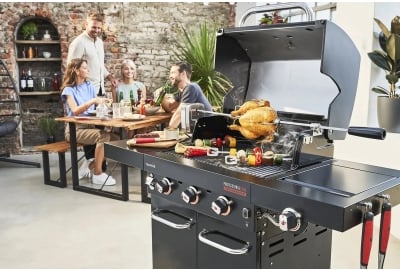
Once preheated, food can be placed directly on the grill for fast cooking, or moved to a cooler zone for slower cooking using indirect heat. On a gas BBQ, this is done by switching off one or more burners and placing food over the unlit section, while keeping other burners on to maintain surrounding heat.
Keeping the lid closed while cooking helps maintain a consistent temperature, improves heat circulation, and ensures food cooks through evenly.
Using additional features
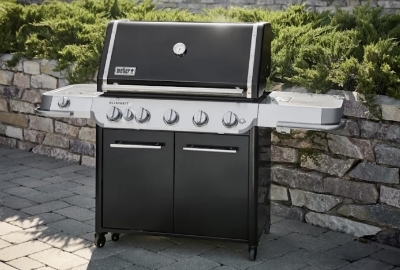
Gas BBQs often come with a range of built-in features that make them more flexible than simpler grill types. These features don’t just add convenience — they also allow you to cook different foods in different ways at the same time.
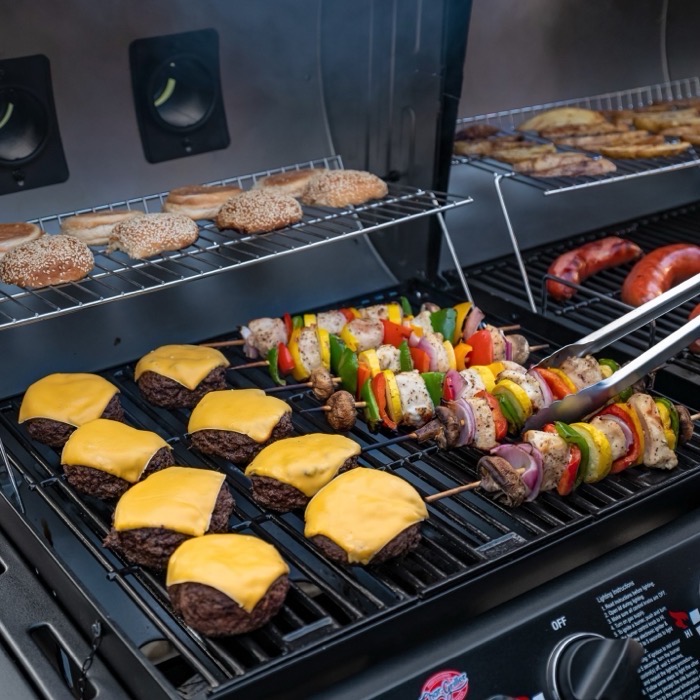
- Multiple burners and cooking zones: Gas BBQs usually feature multiple burners that can be controlled independently. For example, you can use high heat on one side for searing steaks or burgers, while keeping another side on low heat for slower cooking or keeping food warm.
- Lid or hood: A lid transforms a gas BBQ into something closer to an outdoor oven. When closed, it traps heat and allows it to circulate around the food, making it ideal for larger items like whole chickens and joints of meat.
- Side burners: These are separate burners located beside the main grill. They’re useful for cooking sauces, frying accompaniments, or boiling vegetables while the main BBQ is in use.
- Warming rack: A warming rack sits above the main grill and is designed for keeping food warm without overcooking it. It’s useful for resting meat or keeping items warm while other dishes finish cooking.
- Built-in thermometer: Many gas BBQs feature a built-in lid thermometer, which helps you monitor internal cooking temperature without opening the lid.
Gas BBQ fuel types
Gas BBQs are typically powered by either liquefied petroleum gas (LPG) or natural gas. LPG BBQs use portable gas bottles (usually propane or butane), while natural gas BBQs are connected directly to the mains supply, requiring professional installation.
If you’re unsure how to set up your gas supply or connect a bottle safely, you can read our gas BBQ buyer’s guide for step-by-step instructions
How to clean a gas BBQ
Regular cleaning is an essential part of gas BBQ maintenance. It helps keep it working properly, improves cooking results, and extends its lifespan.
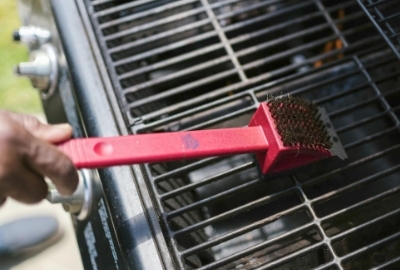
After cooking, allow the BBQ to cool slightly, then wipe down interior surfaces while they are still warm. Remove the grill grates and soak them in warm, soapy water to help lift grease and food residue. It’s important to regularly empty the fat tray and wipe down the exterior to prevent build-up and keep the BBQ in good condition.
For a full step-by-step breakdown, including cleaning other types of BBQs, read our BBQ cleaning guide.
How to light a hybrid (gas and charcoal) BBQ
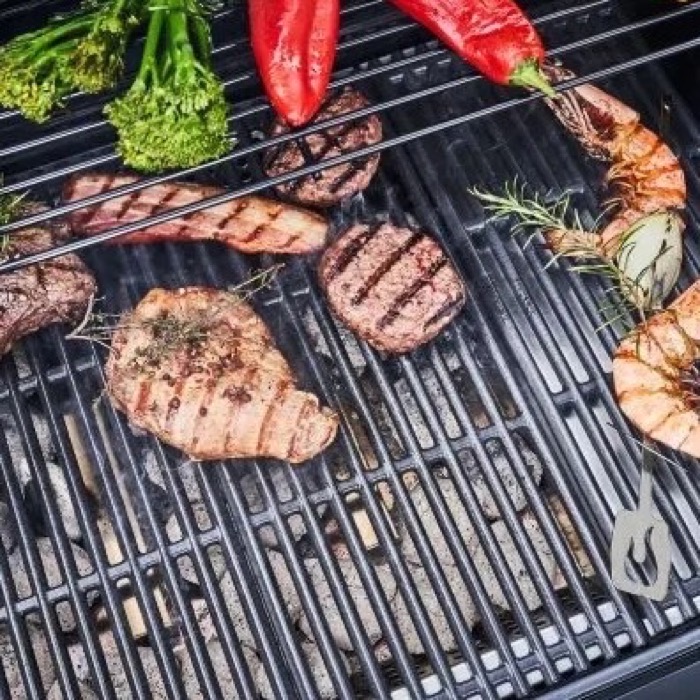
Hybrid BBQs give you the flexibility to use gas, charcoal, or both, depending on the model and the type of cooking you want to do. Always check your manufacturer’s guidelines for the correct way to use your specific model.
Some hybrid BBQs can be used as standard gas grills on their own, simply by turning on the burners and preheating for around 10–15 minutes. This gives you quick, convenient cooking with full temperature control.
If your hybrid BBQ includes a charcoal function, you can add charcoal for a more traditional smoky flavour. In many cases, the gas burners can be used to help ignite the charcoal, speeding up the lighting process. Once the coals are glowing and covered in ash, the gas can be turned off (if used), and you can cook as you would on a charcoal BBQ.
Some models also allow both fuels to be used together, giving you the speed and control of gas alongside the flavour of charcoal. This makes hybrid BBQs especially versatile, letting you switch between quick grilling and slower, flavour-focused cooking depending on what you’re preparing.
How to light a plancha grill
A plancha grill uses a flat, solid metal cooking surface instead of traditional grill grates. Plancha grills are particularly good for foods that might fall through or struggle on a standard grill — seafood, eggs, or sliced vegetables, for example.
To cook on a plancha, turn on the gas and preheat the surface for at least 10 minutes until evenly hot. Once ready, add a small amount of oil and place food directly onto the plate. The even heat allows for consistent cooking and strong caramelisation, while different heat zones can be created by adjusting burner settings for more control.
How to light a pellet grill
Pellet grills use compressed wood pellets as fuel to create heat and a subtle, smoky taste. They’re best suited to slower-cooked dishes such as brisket, ribs, pulled pork, and whole chickens, as well as roasting and even baking. They’re particularly popular for long cooks because they maintain steady heat over time while infusing food with a smoky flavour similar to charcoal grilling.
To use a pellet grill, fill the hopper with wood pellets, set your desired temperature, and switch the grill on. The system will automatically ignite and regulate heat for you, so there’s no need for firelighters or manual fuel adjustment. Most pellet grills take around 10–15 minutes to preheat before cooking.
How hot should a BBQ be?
The ideal BBQ temperature depends on what you’re cooking and the type of grill you’re using, but most BBQ cooking falls into three general heat ranges:
- Low heat (around 100–150°C): This is best for slow cooking and larger cuts of meat that need time to become tender. This includes foods like pulled pork or beef brisket, where gentle heat helps break down connective tissue without drying the meat out.
- Medium heat (around 160–190°C): This is the most commonly used range for everyday BBQ cooking. It’s ideal for foods like chicken thighs, pork chops, sausages, and vegetables, giving a good balance of cooking speed and even browning without burning.
- High heat (200–250°C and above): This is used for quick cooking and searing. This is perfect for steaks, burgers, kebabs, and halloumi, where you want a charred exterior and juicy centre. High heat is also useful for achieving strong grill marks and a crisp finish.
Learning how to light and cook on a BBQ comes down to understanding your equipment and choosing the right method for the type of grill you’re using. Whether you prefer the traditional smoky flavour of a charcoal BBQ, the speed and control of a gas BBQ, or the versatility of a hybrid, each option offers its own advantages depending on how you like to cook outdoors.
Whichever BBQ you choose, having the right setup and accessories will make a big difference to your results. Explore our full range of charcoal, gas, hybrid, pellet, and plancha grills today, alongside the essential BBQ accessories you need to ensure your next outdoor cook-up is easier, safer, and even more delicious.